
The Saar
A land to discover
The right angle
The Saar in Images
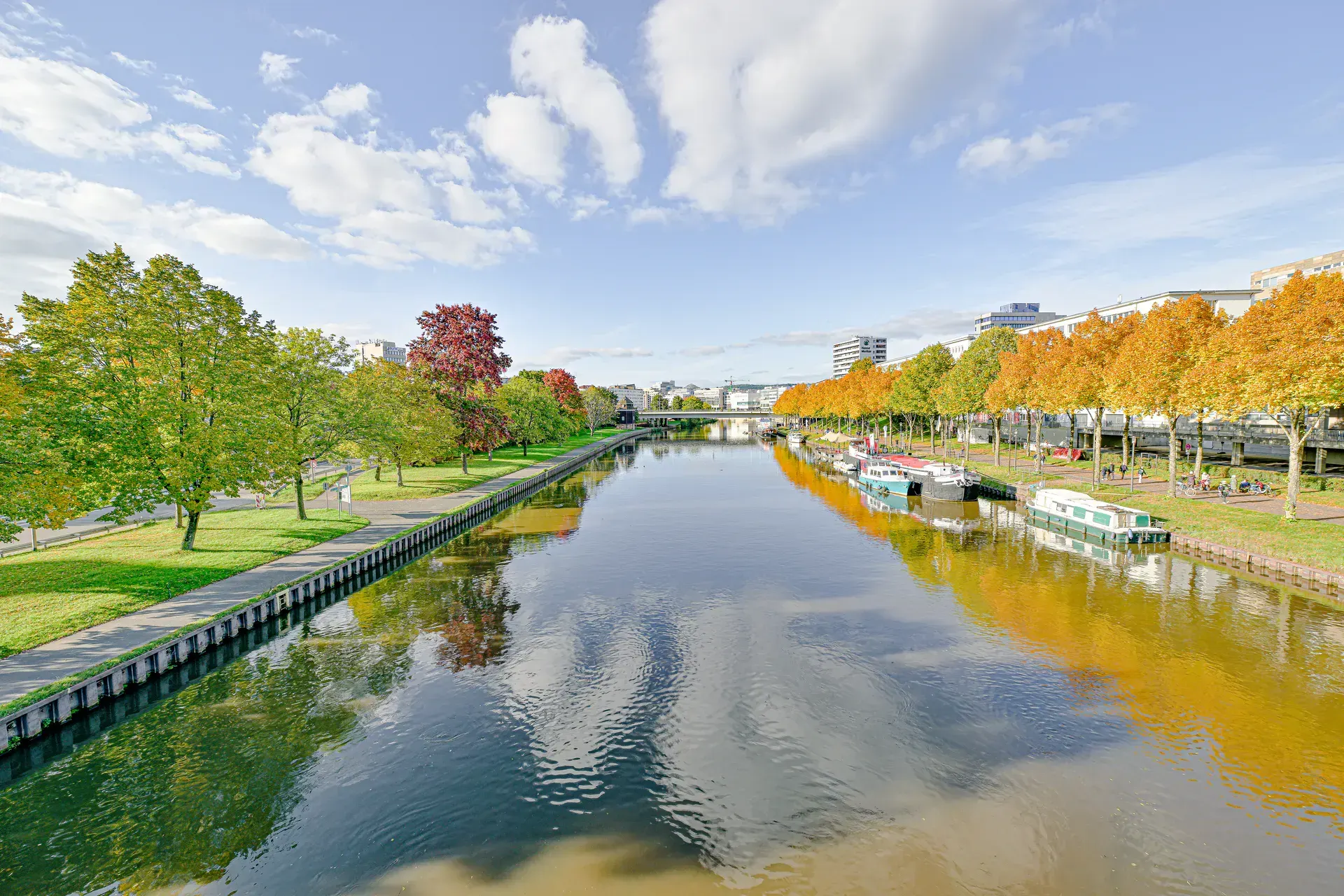
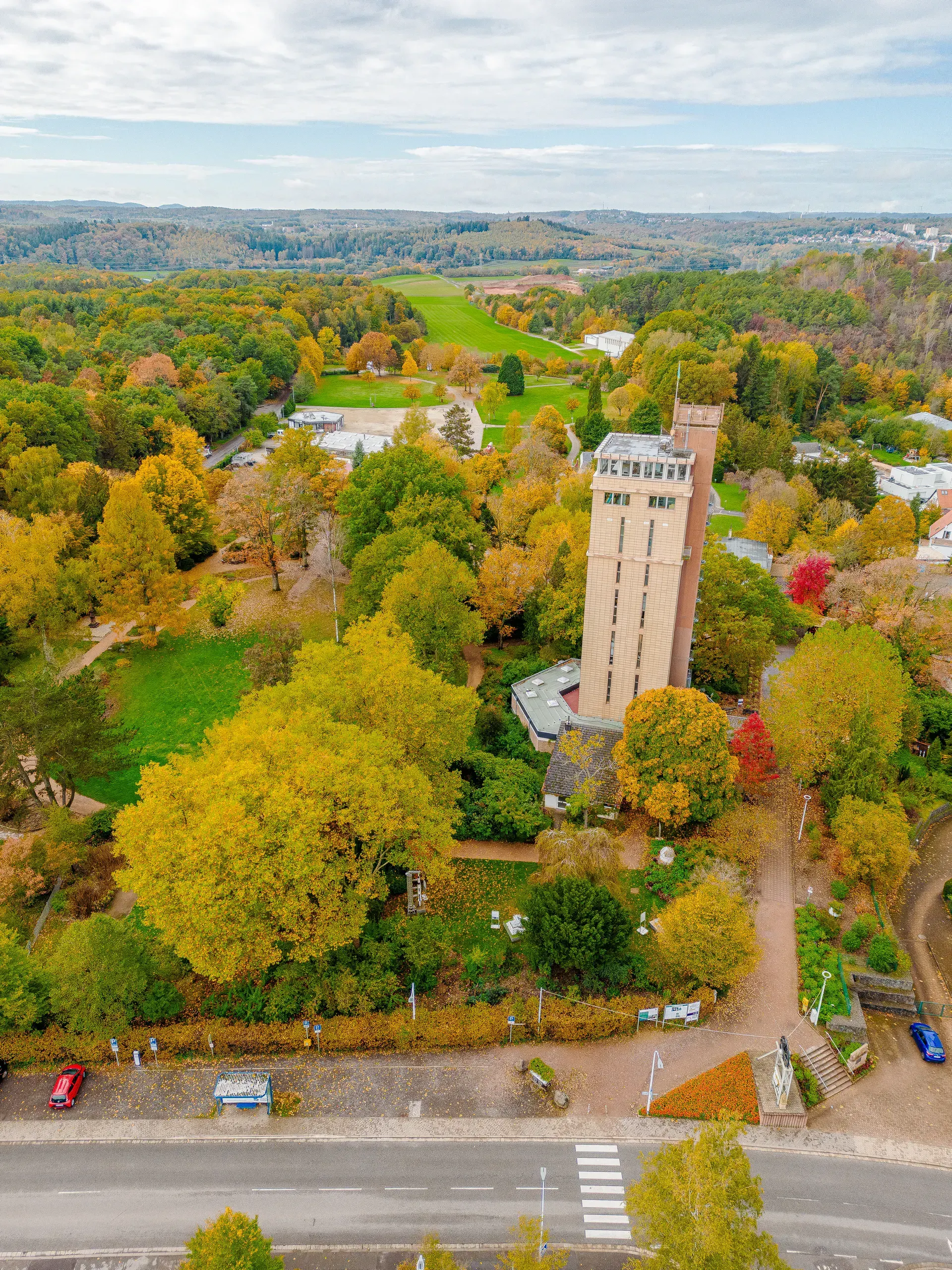
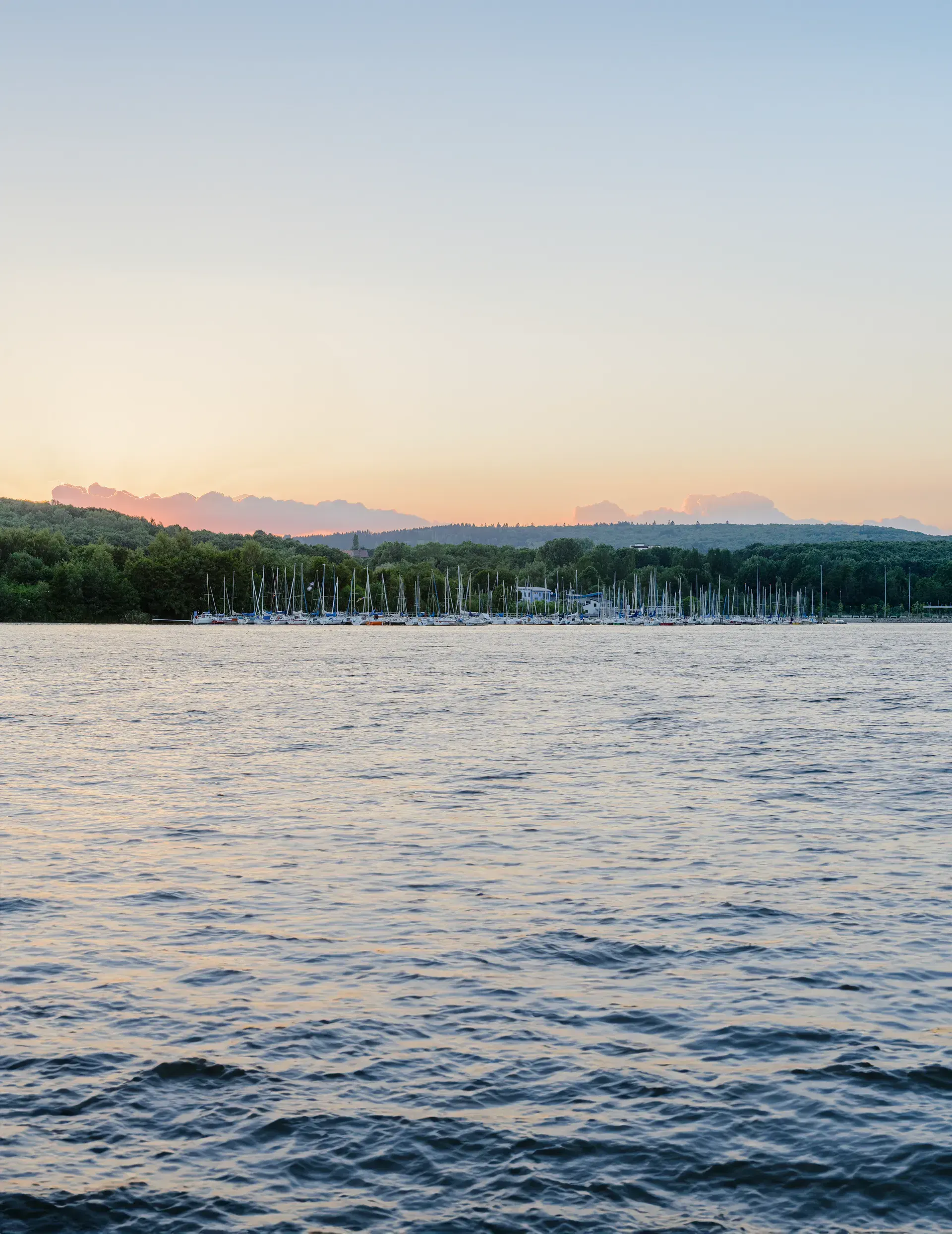
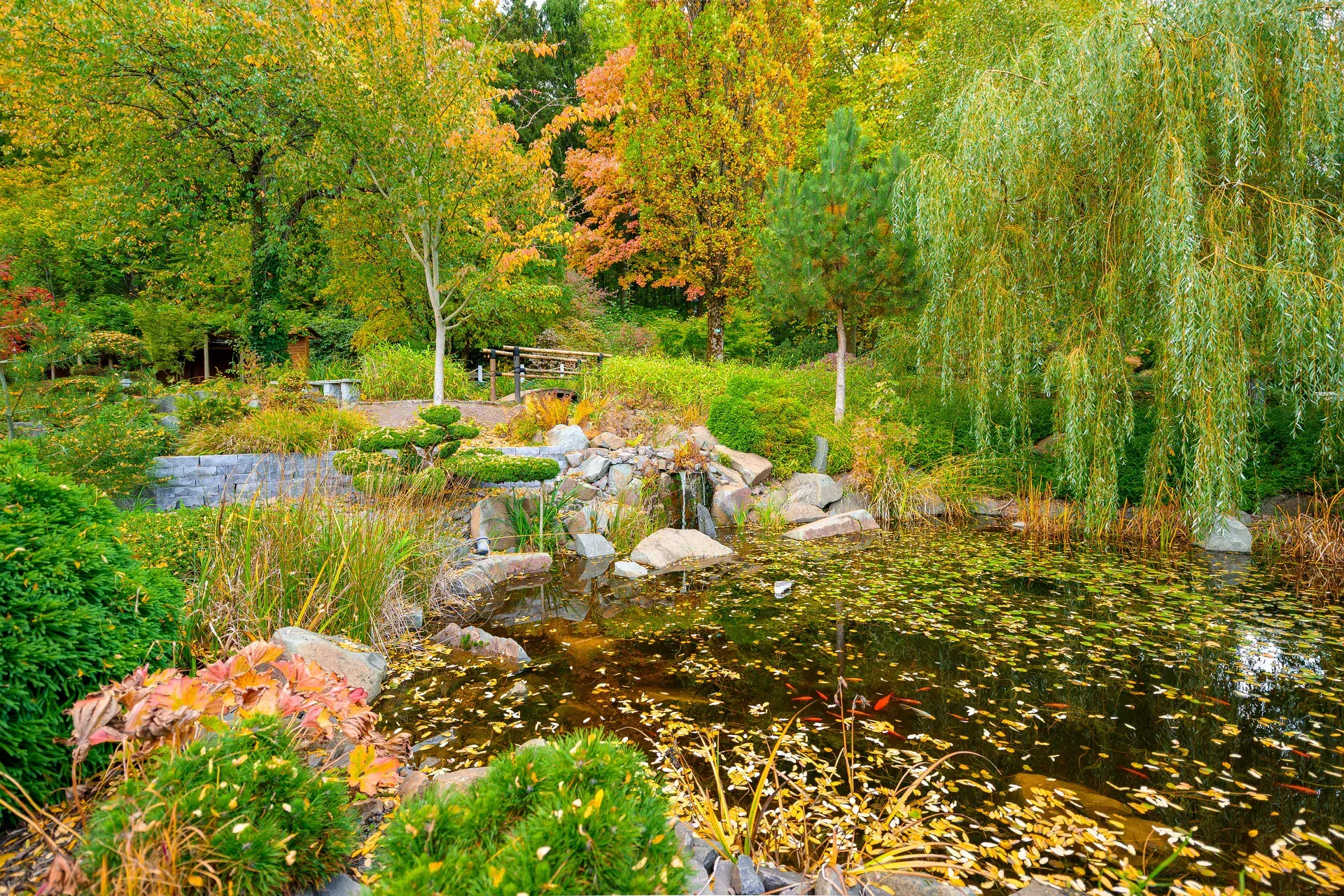
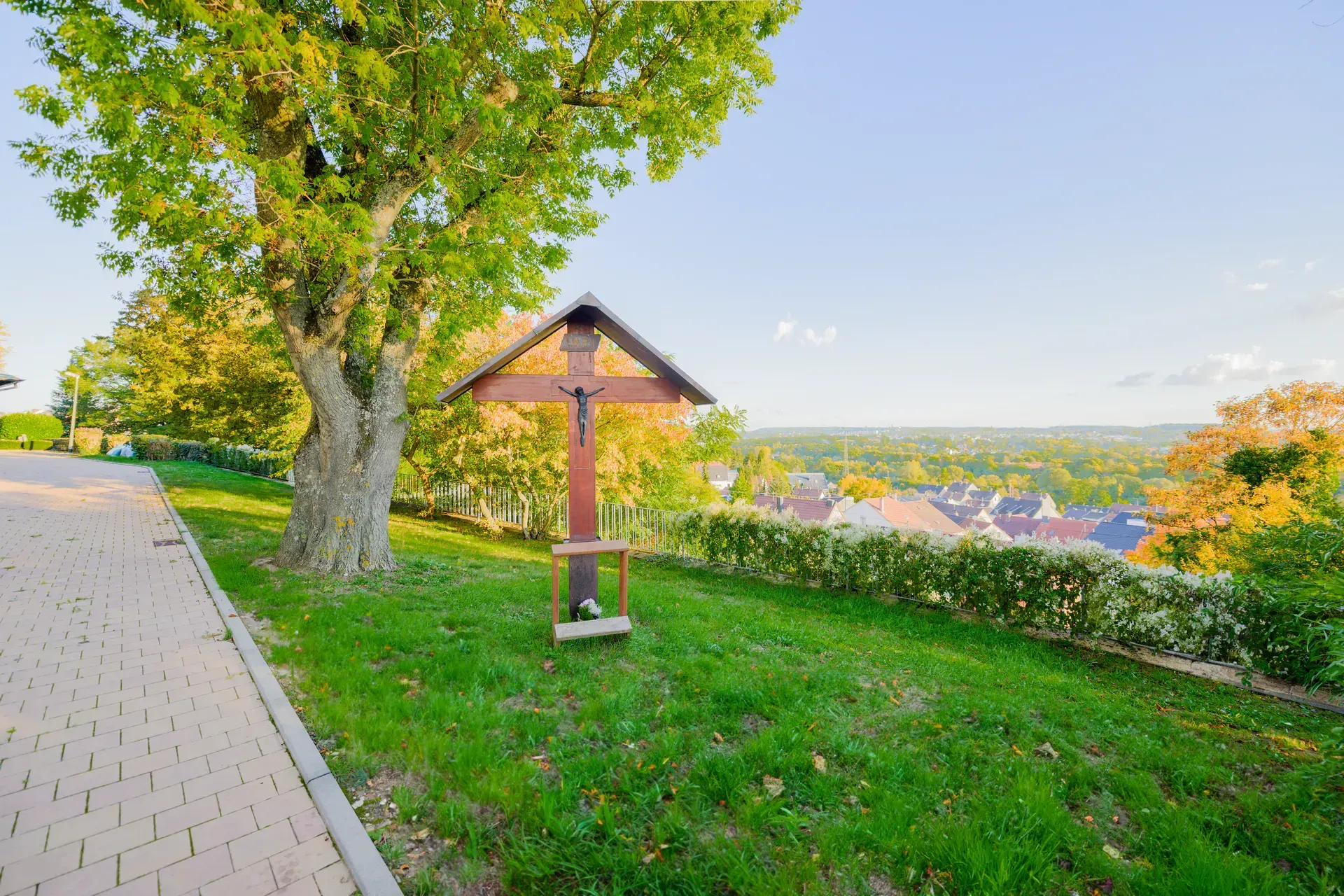
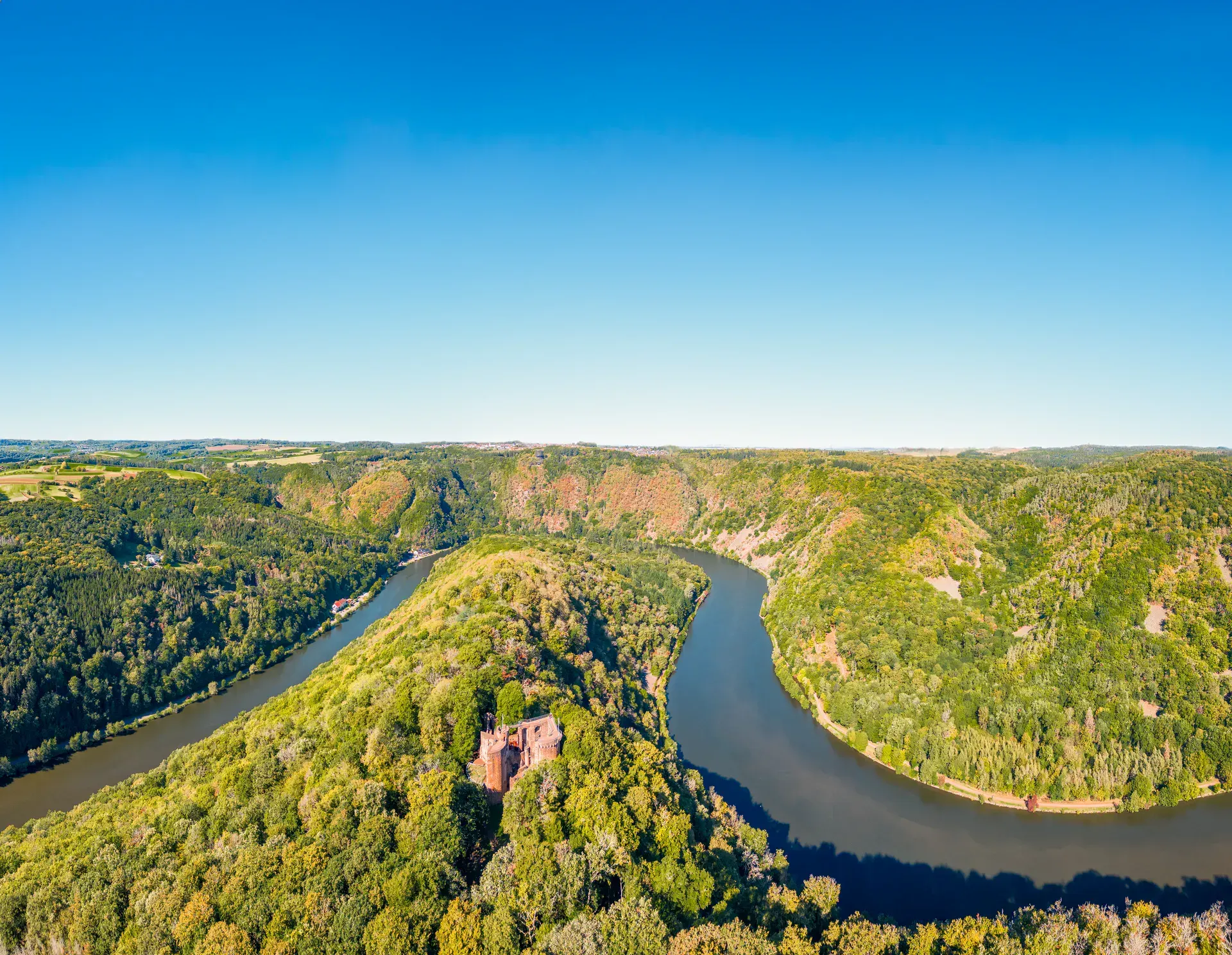
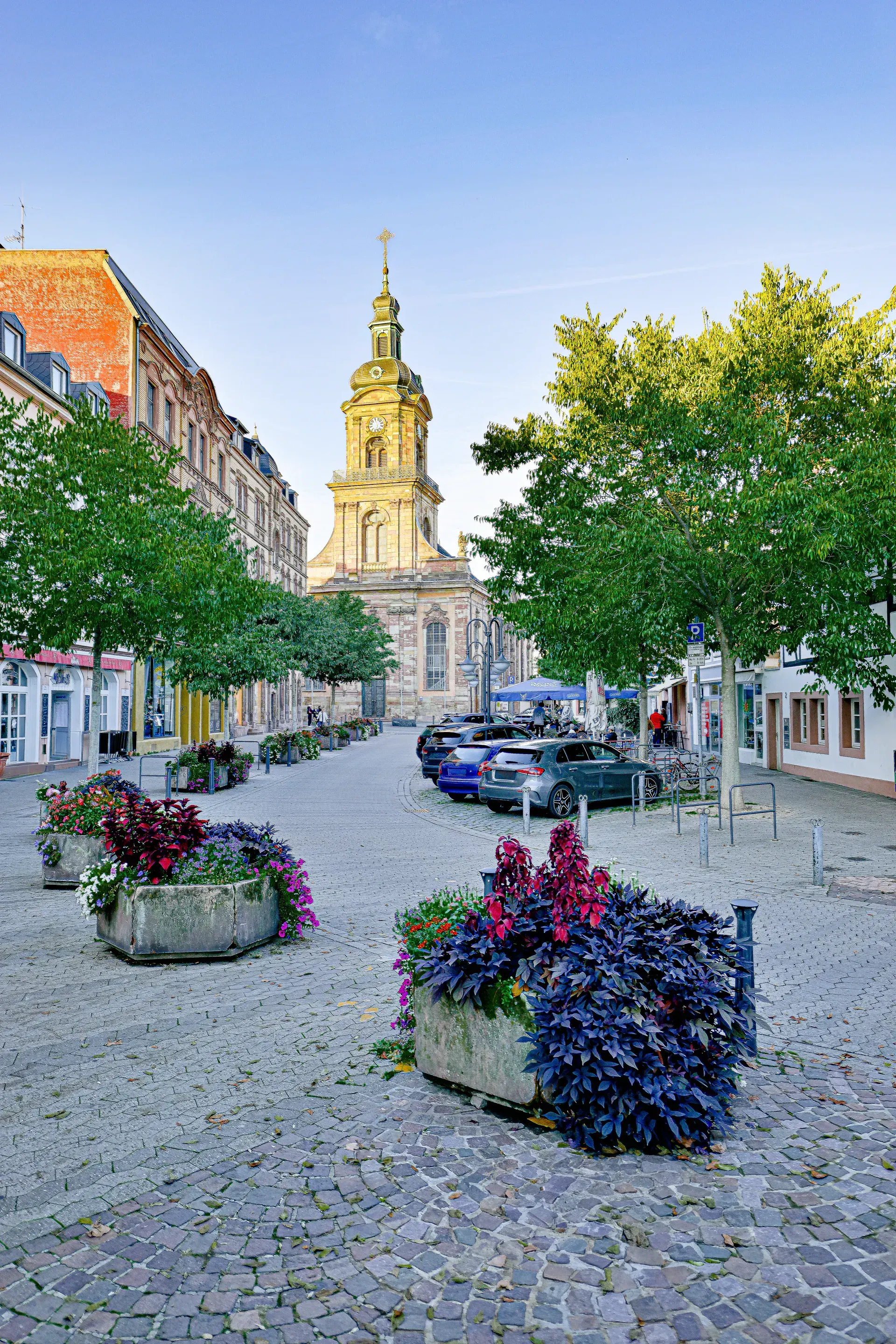
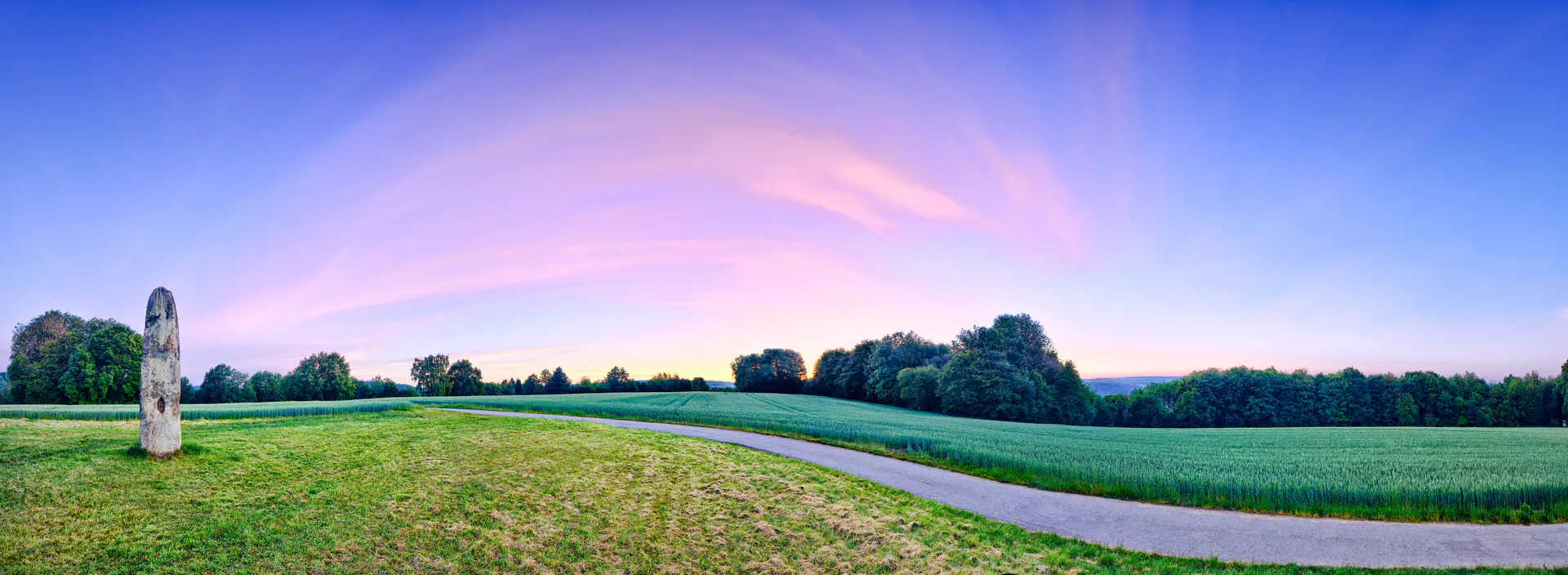
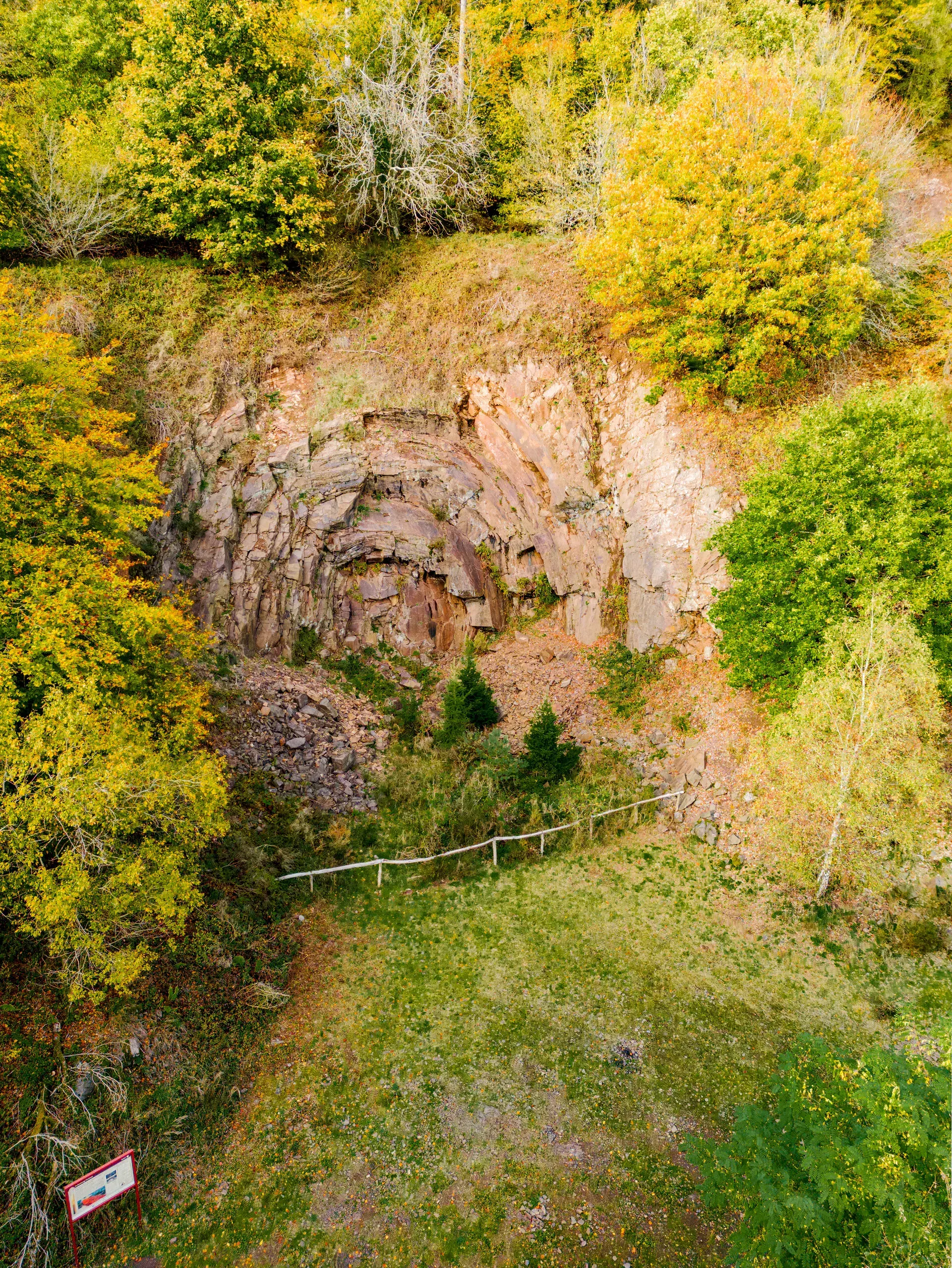
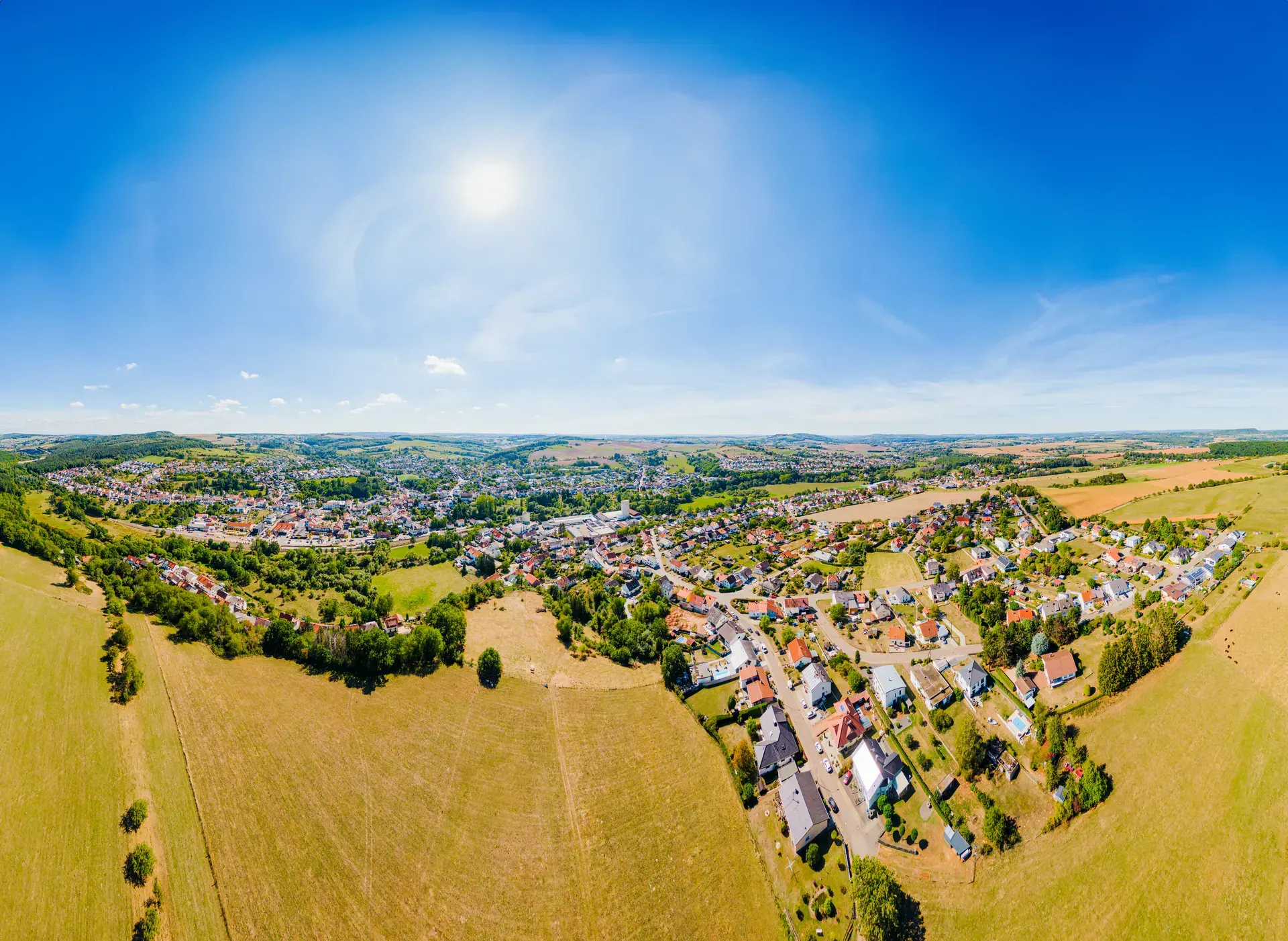
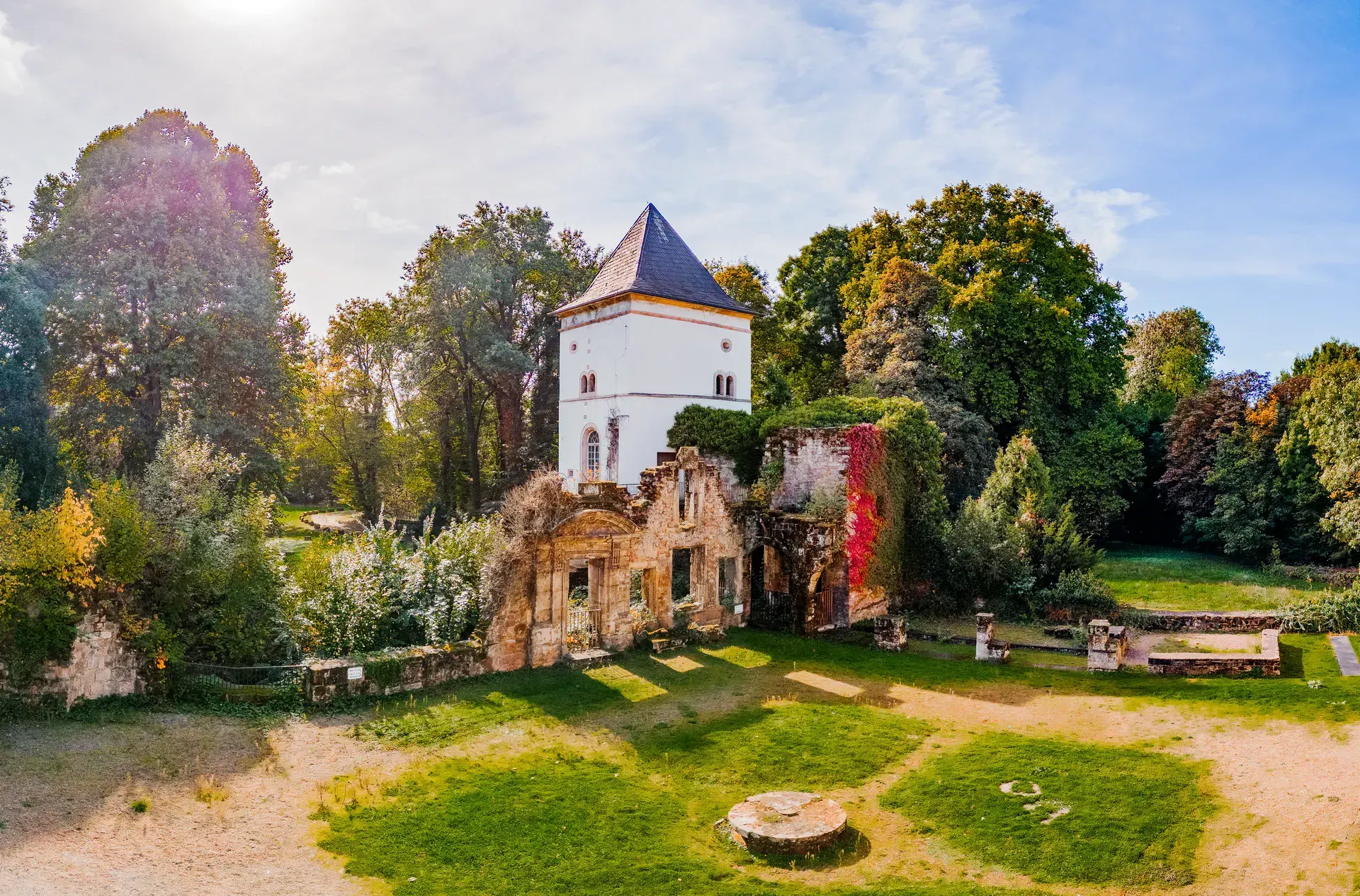
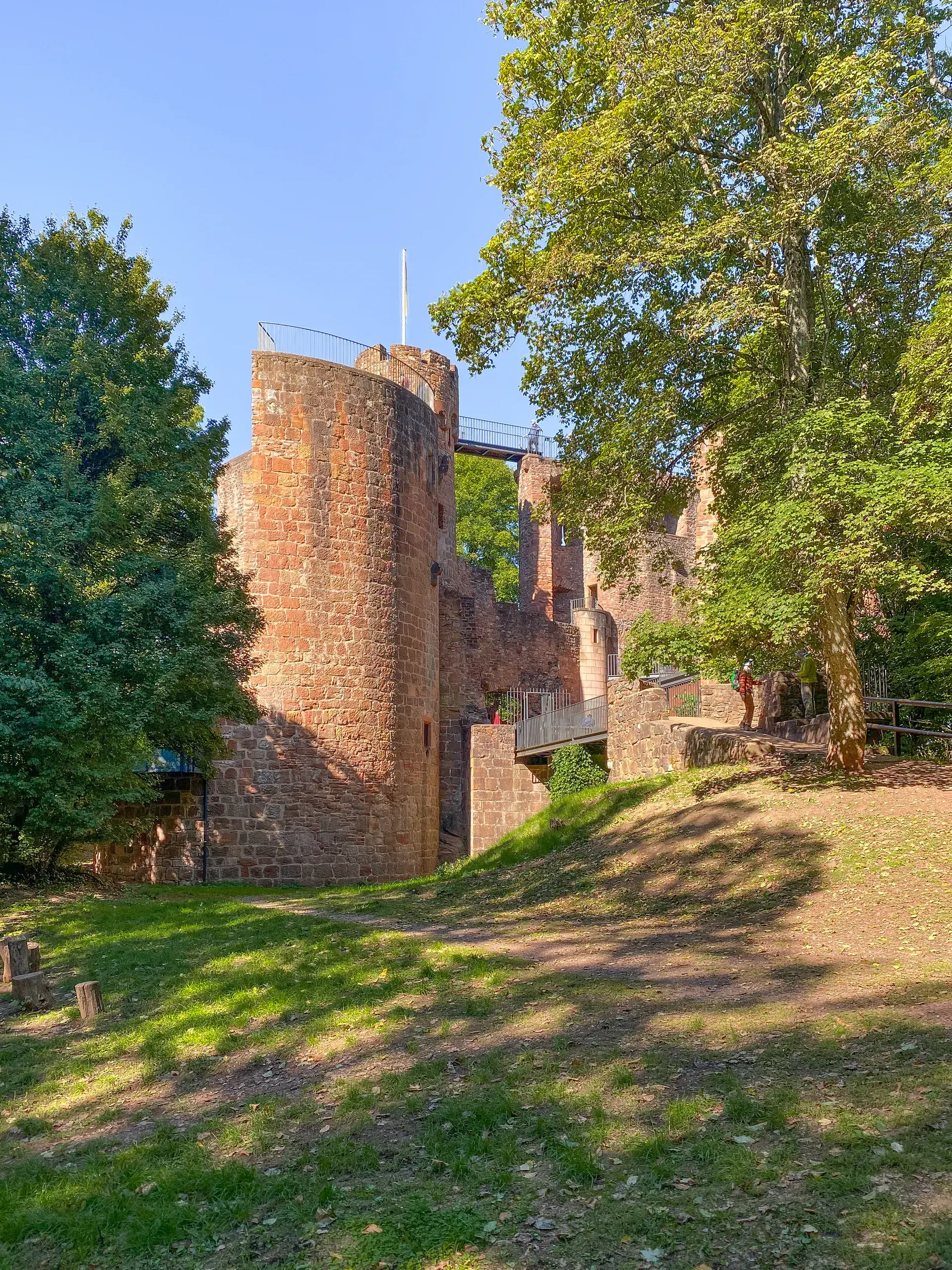
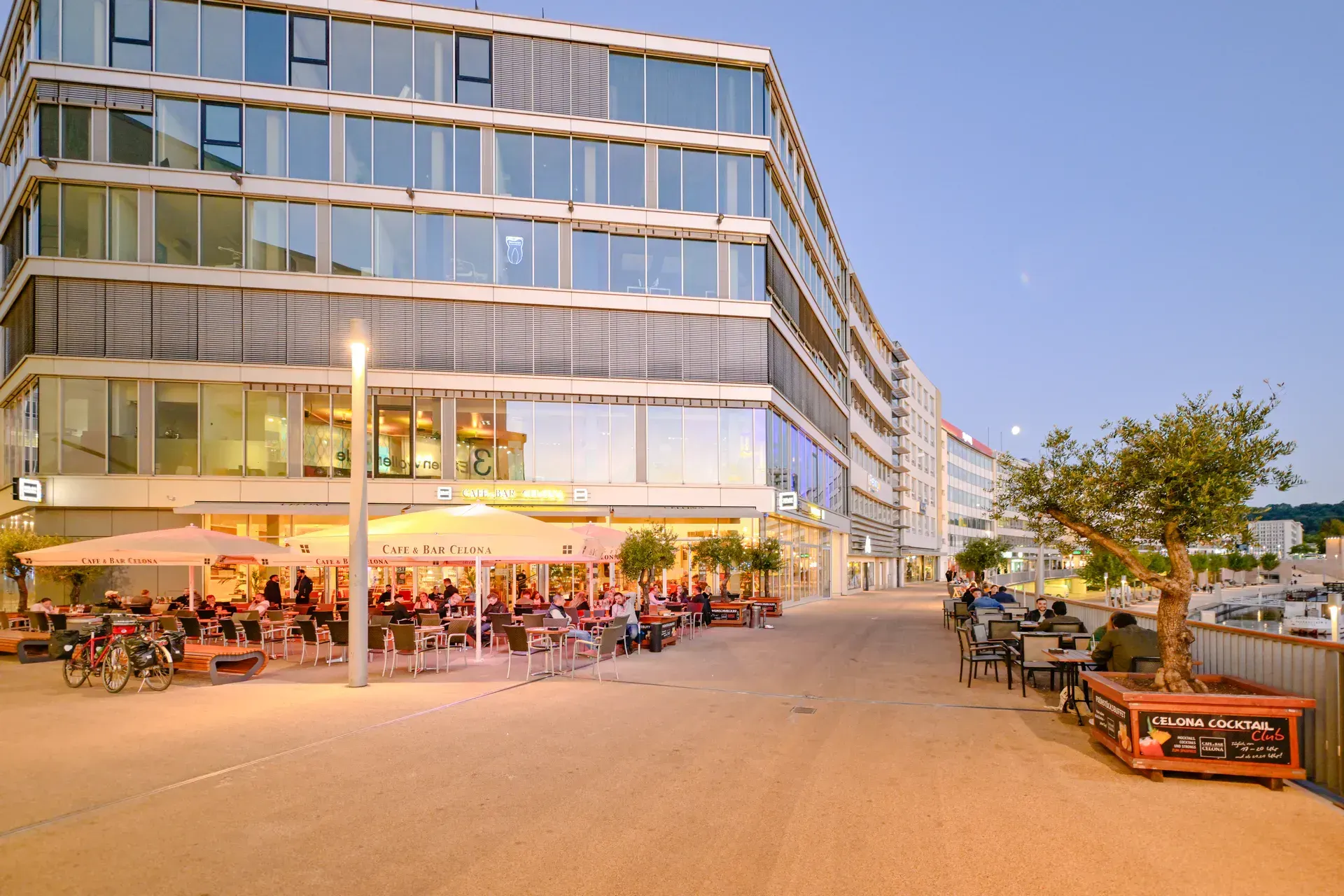
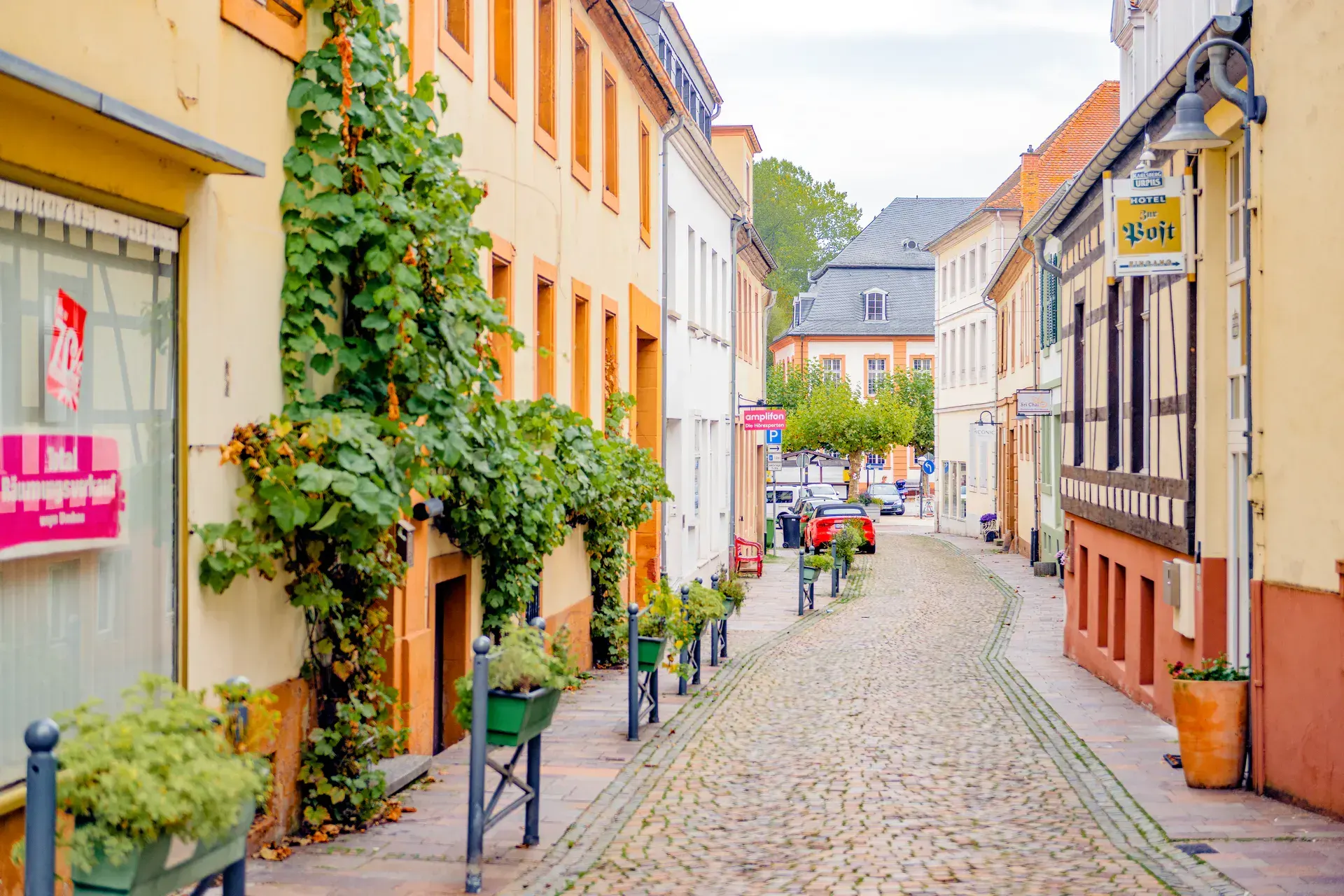
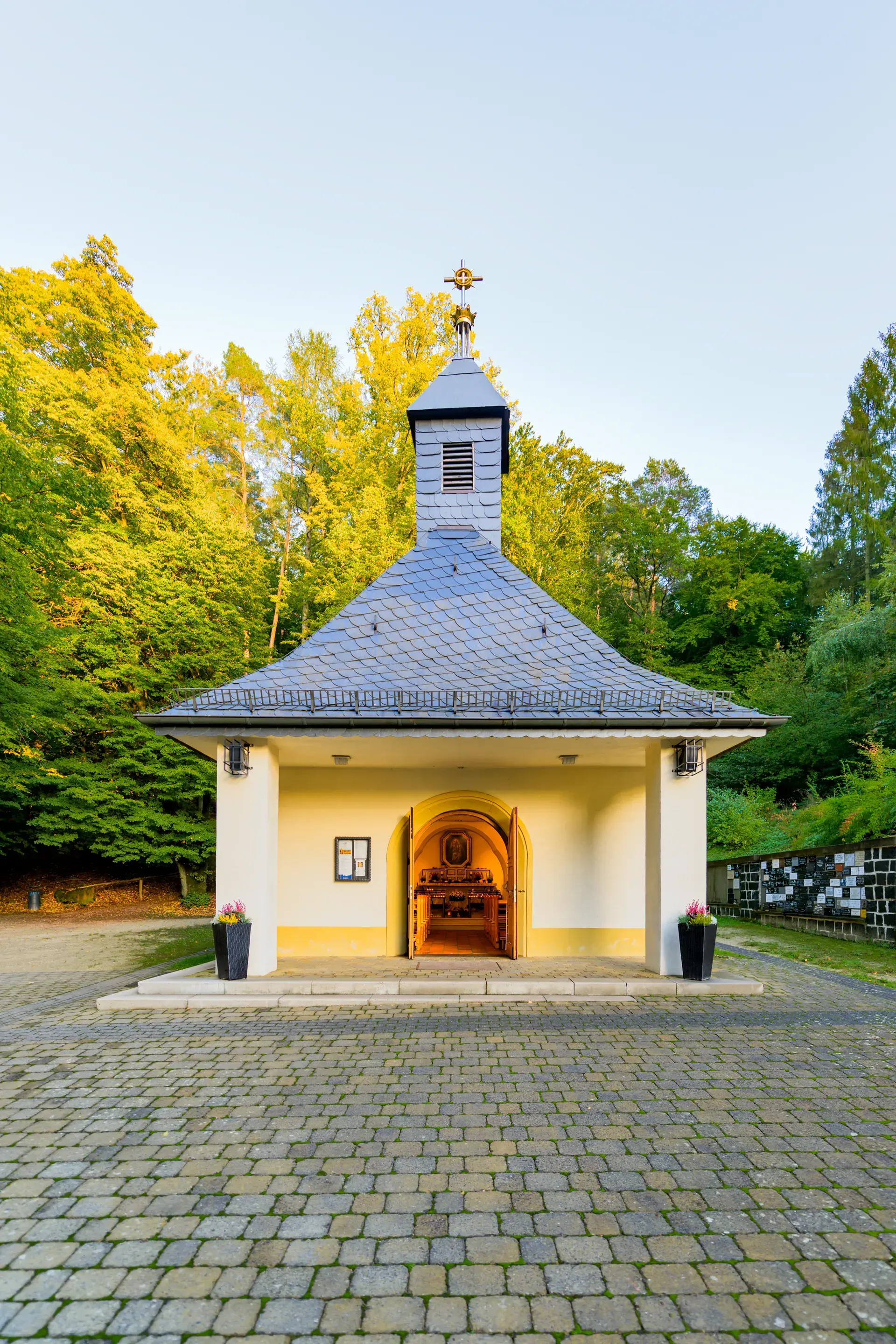
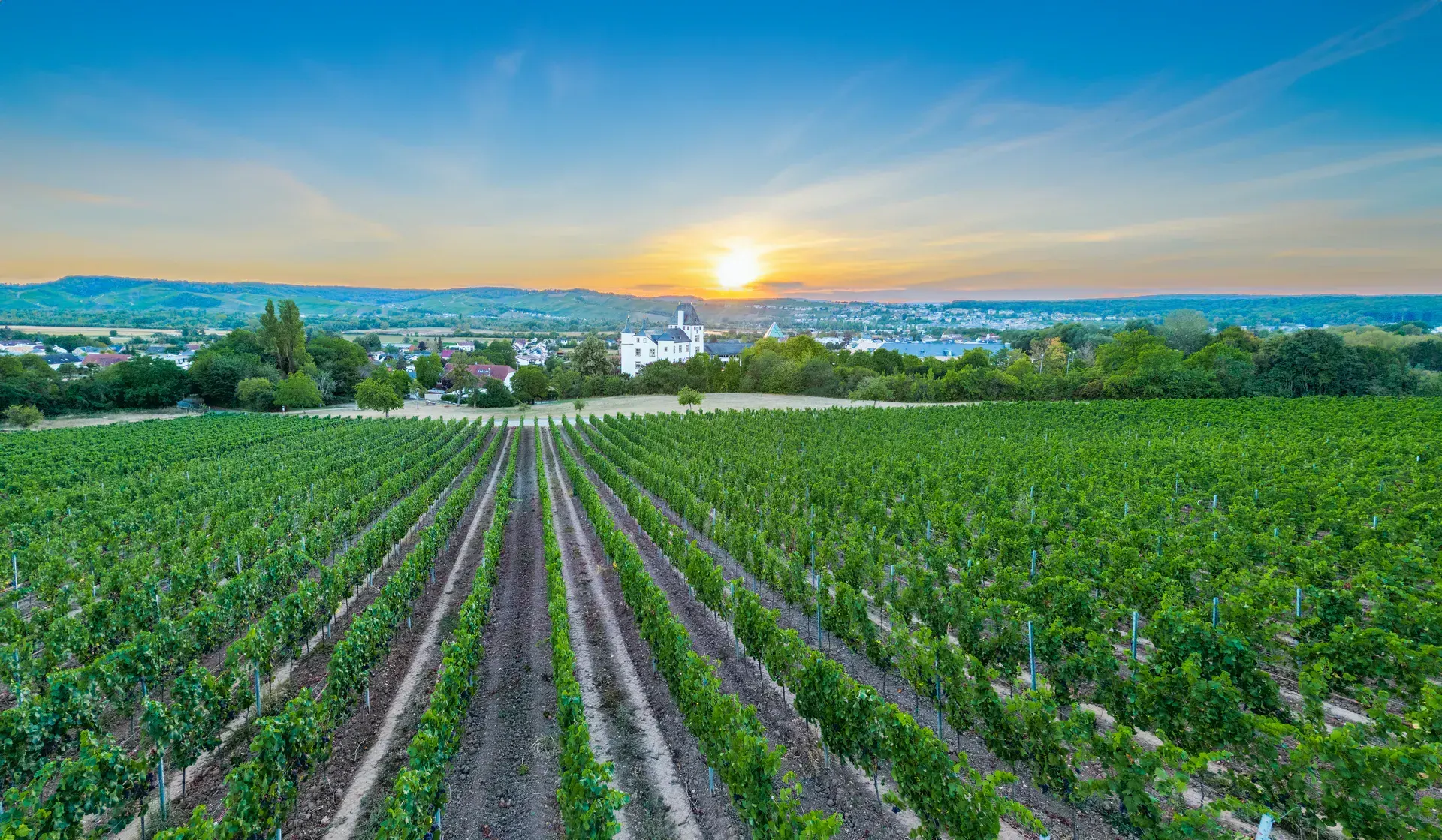
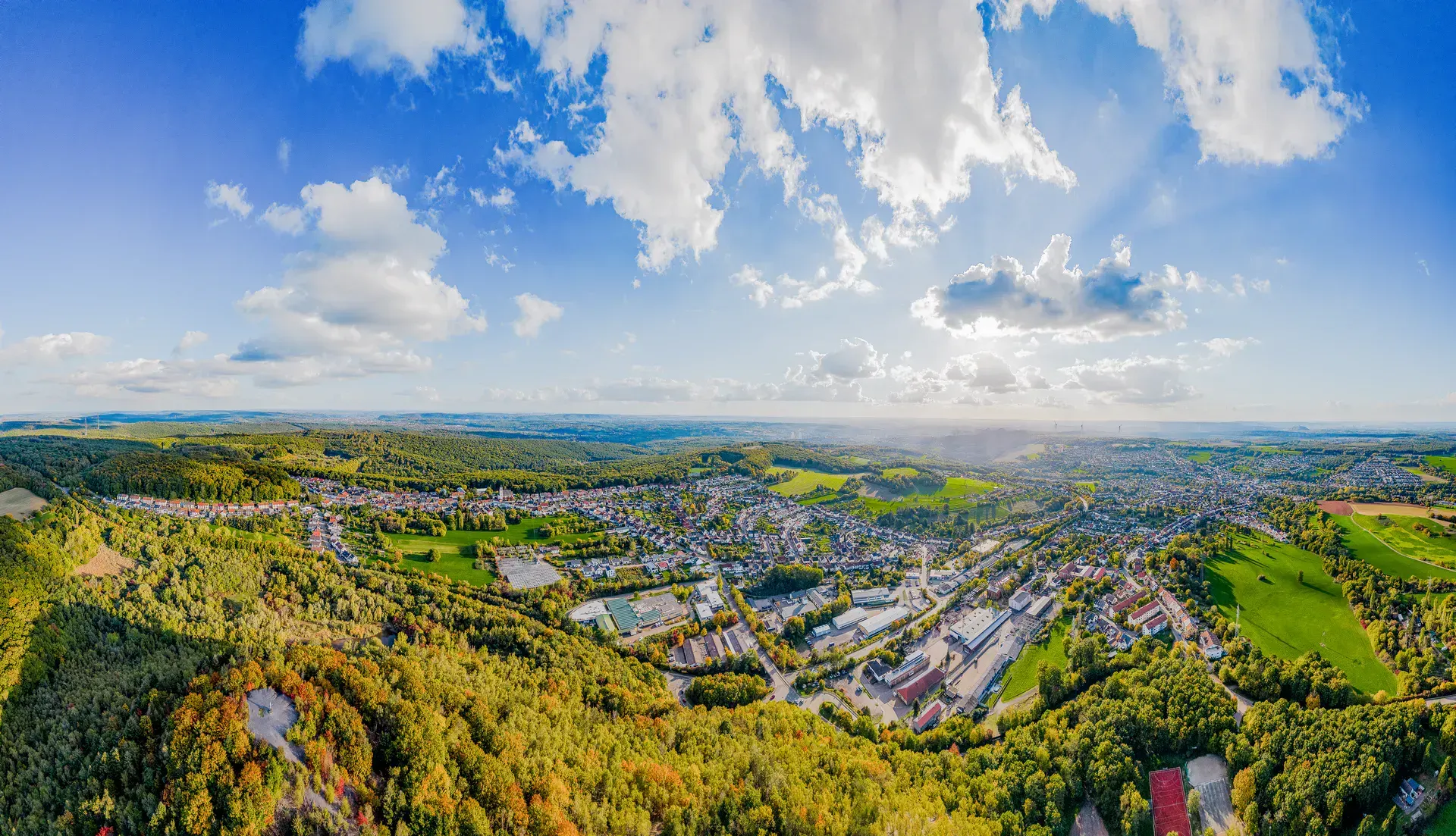
It is five o'clock in the morning when the mist begins to lift over the forests of the Saar. The golden rays filter through the canopy of century-old beech trees, drawing changing patterns on the moss carpet that seem to write a forgotten alphabet. This Land is overwhelmingly green, multifaceted and of underestimated beauty. The Saar, as the state with the highest proportion of forests, is truly a green oasis. From the mysterious 'Route des Sculptures' to the Celtic heritage of the Ringwall d'Otzenhausen, every corner tells a story. From the vast fields and gentle hills to the lively market squares. The rugged industrial culture of Neunkirchen, the gentle hills of the Bliesgau or the vineyards of Perl — every corner is showcased. Saarbrücken, from the original castle through the baroque to the modern administrative city and the industrial culture of its surroundings. The Merzig-Wadern region, with its grand nature, the myths of the forests to the wine-growing culture. The Saint-Wendel region, from the Merovingian era through Wendalinus to the new identity. Saarbrücken Eurometropolis — Two hearts, one beat. Here is the Saar. Seen from the sky, seen from the heart.
The Saarland in Figures
A small territory with surprising dimensions
0
images taken
0 km
kilometres travelled
0
books
0
municipalities
0+
years of exploration
0+
media contacts

The Cultural Inventory
A father-to-son story
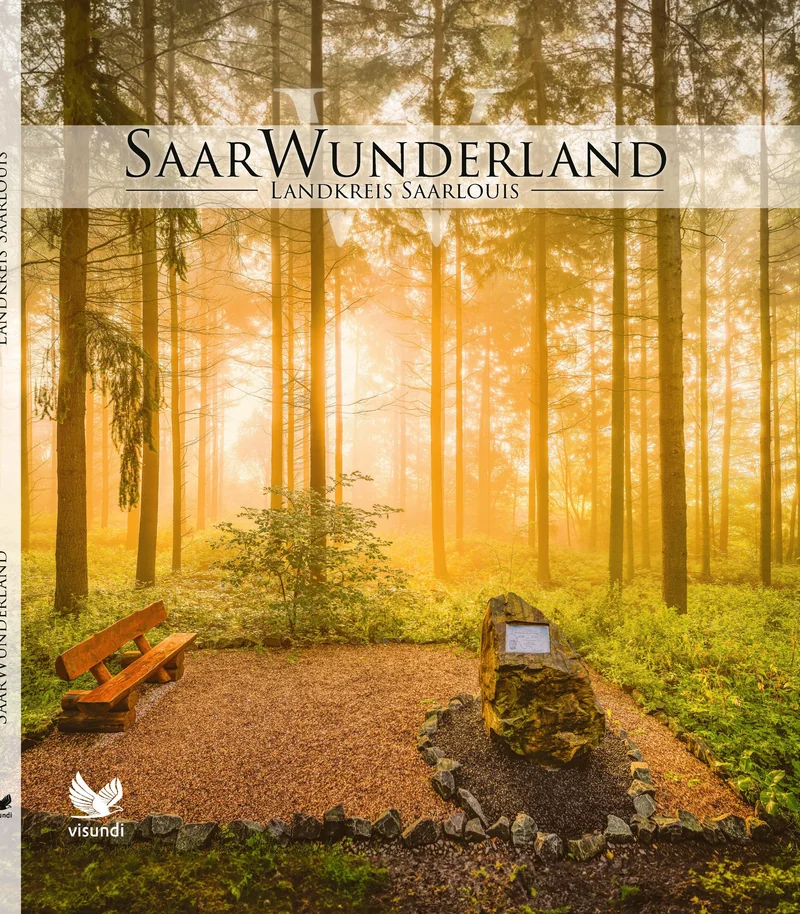
With their art book 'SaarWunderLand', Philippe and Dany Koren already generated great enthusiasm throughout the country in 2014. Their fascination with photography, combined with their love for our region, continues today with six new books that each reflect the beauty of the Saarland's landscapes and districts on 100 pages. This new edition, Land of Encounters, invites us to fall in love with the Saar, its inhabitants and its cultural richness. It encourages us to live and thrive in a cross-border region. Given the wealth of local heritage and the history that has marked the Saar's past, the two artists take us on a unique journey through town and country, between sky and earth. From the Moselle to the Saar. The photographers have focused their long lenses on six regions: the Saarbrücken regional association as well as the districts of Merzig-Wadern, Neunkirchen, Saarlouis, Saarpfalz-Kreis and St. Wendel. We see the identity of the Saar and its most beautiful places.
From the Moselle to the Saar, from town to countryside, the photographers have turned their lenses on six unique regions. Each photograph is an invitation to discover the identity of a territory where it is good to live, between sky and earth.
The 6 Regions
Six stories, one land. Each book is an immersion into a region.
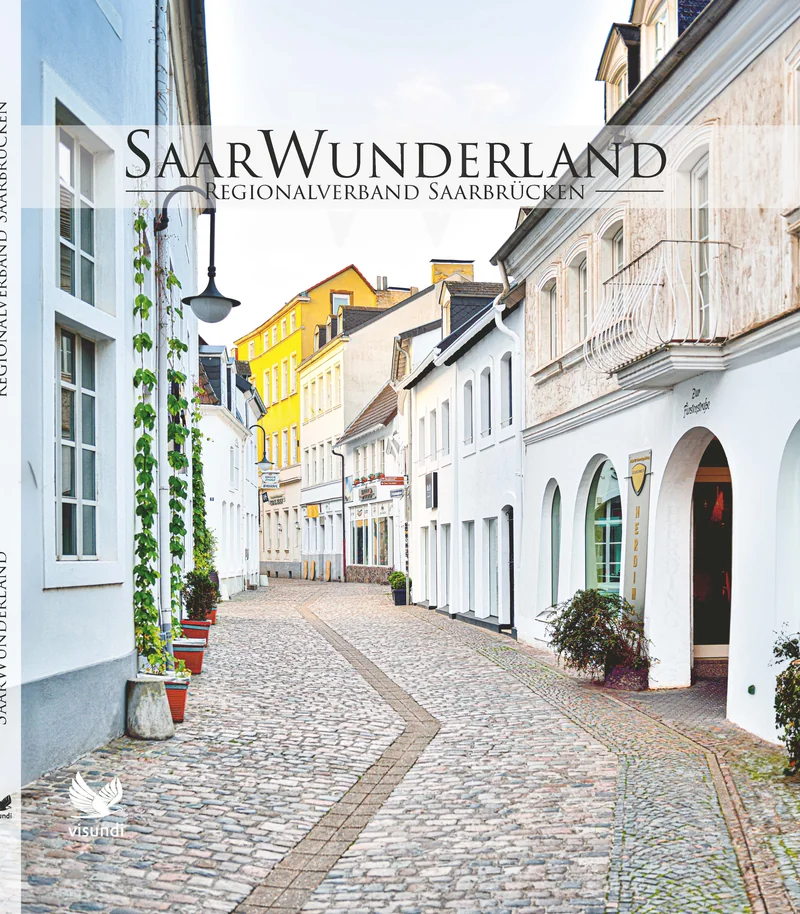
Saarbrücken Regional Association
The Echo of Two Shores
Saarbrücken Regional Association
The Echo of Two Shores
« Always between two worlds, and yet so firmly anchored. »
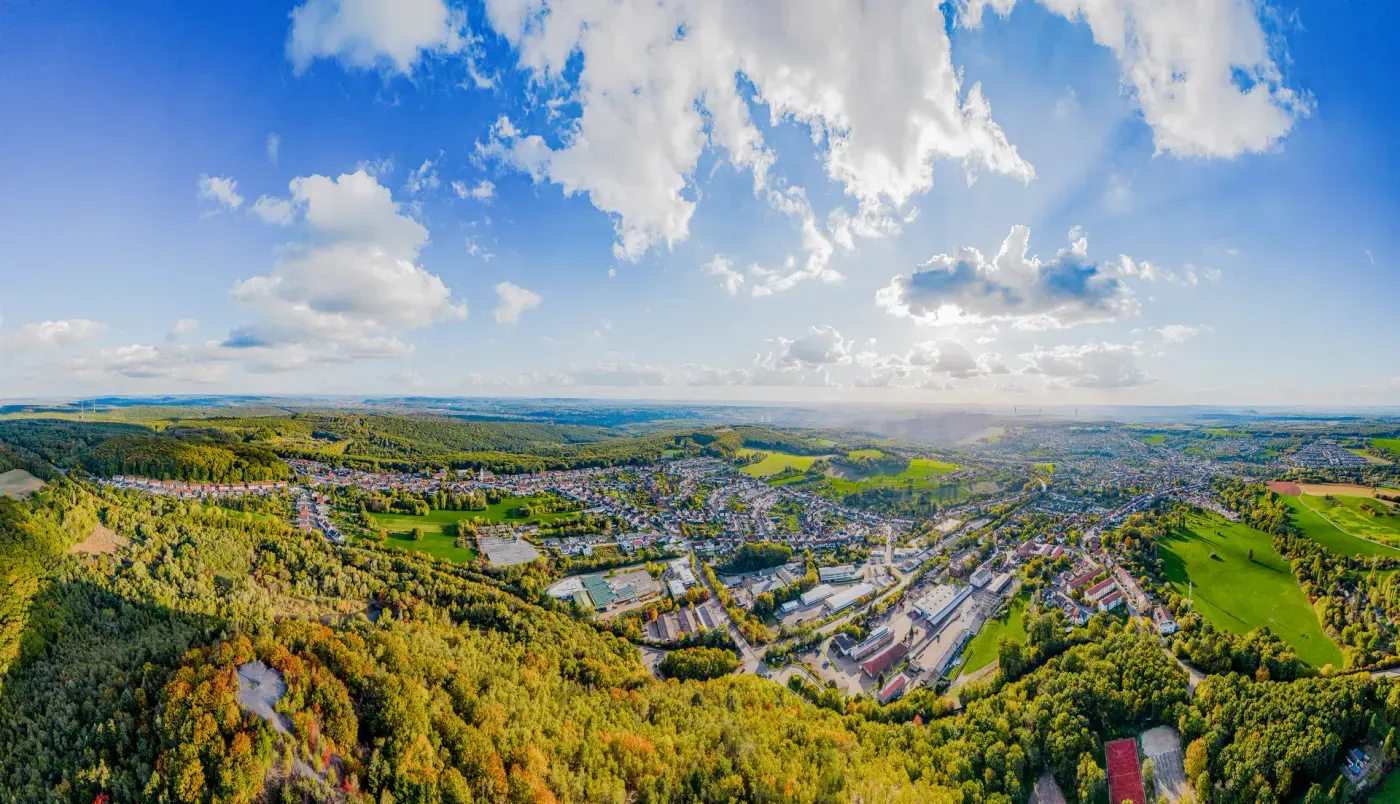
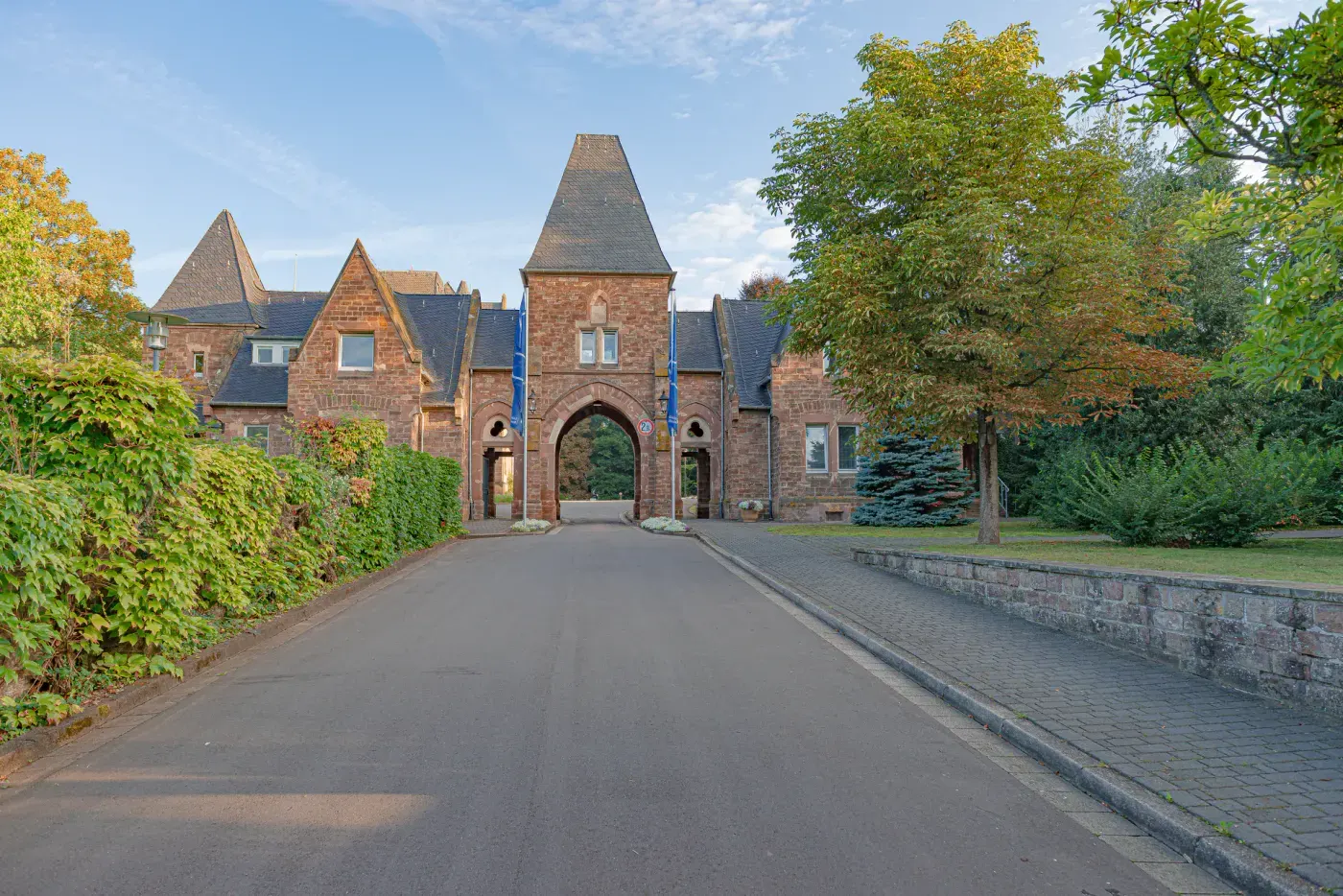
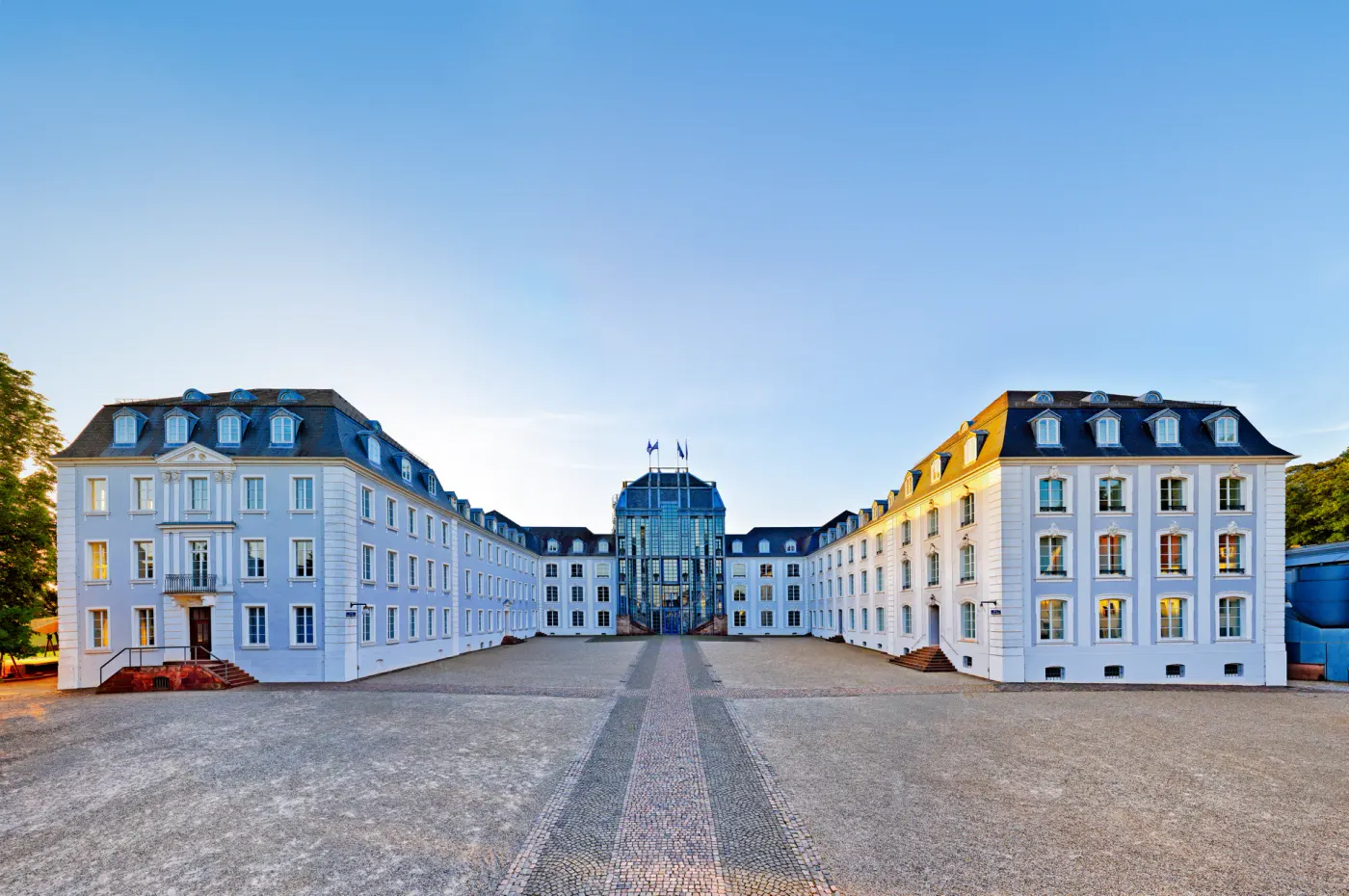
Dawn rises lazily over the Saar, trailing a violet mist along its banks. At the first ray of light, the river's coppered water reflects the baroque façades of the castle, as though the entire city were gazing into an ancient mirror. Saarbrücken does not wake: it sighs. It has seen too much History pass to rush into the day.
Push open the door of a café on St. Johanner Markt, and the scent of freshly ground Kaffee mingles with the aroma of still-warm croissants — those the Saarlanders call Brötchen in the morning and which their French neighbours devour on the terrace in the afternoon, just steps away. Here, the border is no longer a line on a map. It is a flavour, an accent, a way of saying hello that glides from Guten Tag to Bonjour without anyone taking offence.
Travel back in time. In the eighteenth century, Prince William Henry of Nassau-Saarbrücken dreamt of a little Versailles on the Saar. He raised the castle in French baroque style, employed gardeners from Versailles, and commissioned the architect Friedrich Joachim Stengel to build Saint-Louis Church, now a listed jewel. But the centuries were cruel. In 1944, bombing raids razed the city centre. What you see today is at once authentic and rebuilt, like a face that has kept its soul despite the scars.
Further on, beyond the boulevards, the Halberg hill rises. It is there that nature reclaims its rights. Centuries-old oaks shelter paths where the noise of the city vanishes, replaced by the lapping of a spring or the wingbeat of a green woodpecker. For it is impossible to speak of this city without evoking fire. For two centuries, the blast furnaces spat their orange light into the night. The Völklingen Hütte, nearby, has become a UNESCO World Heritage Site: a cathedral of rust and steel where one can still hear, between the rusted wagons and the giant converters, the dull thud of ore falling into the mouths of the converters.
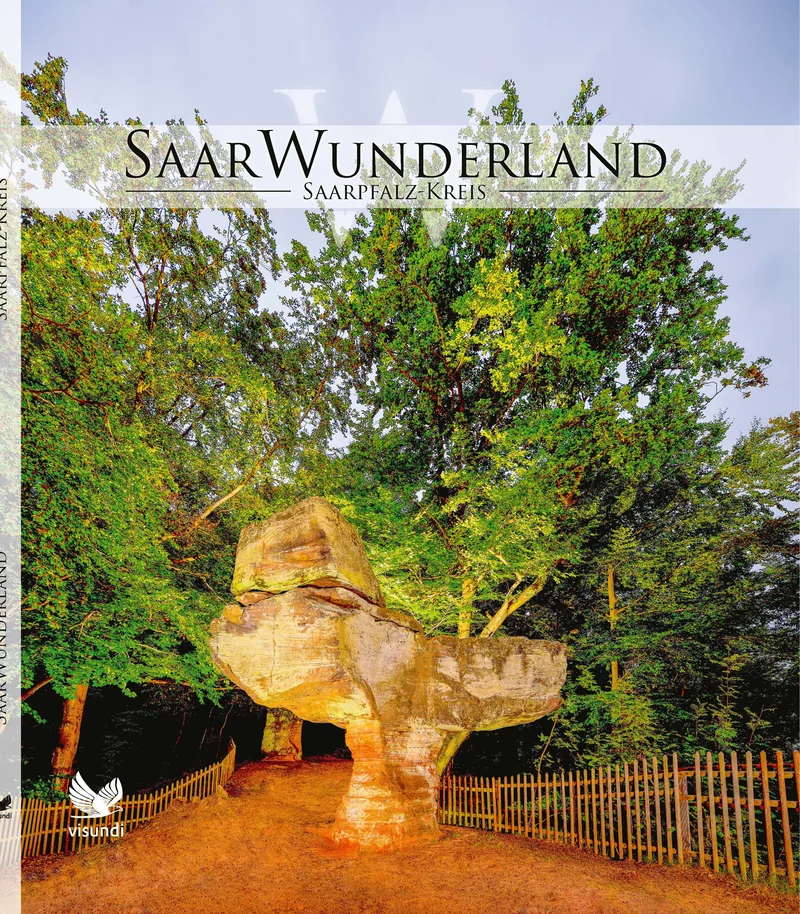
Saarpfalz District
Between Roman Remains and Blies Valleys
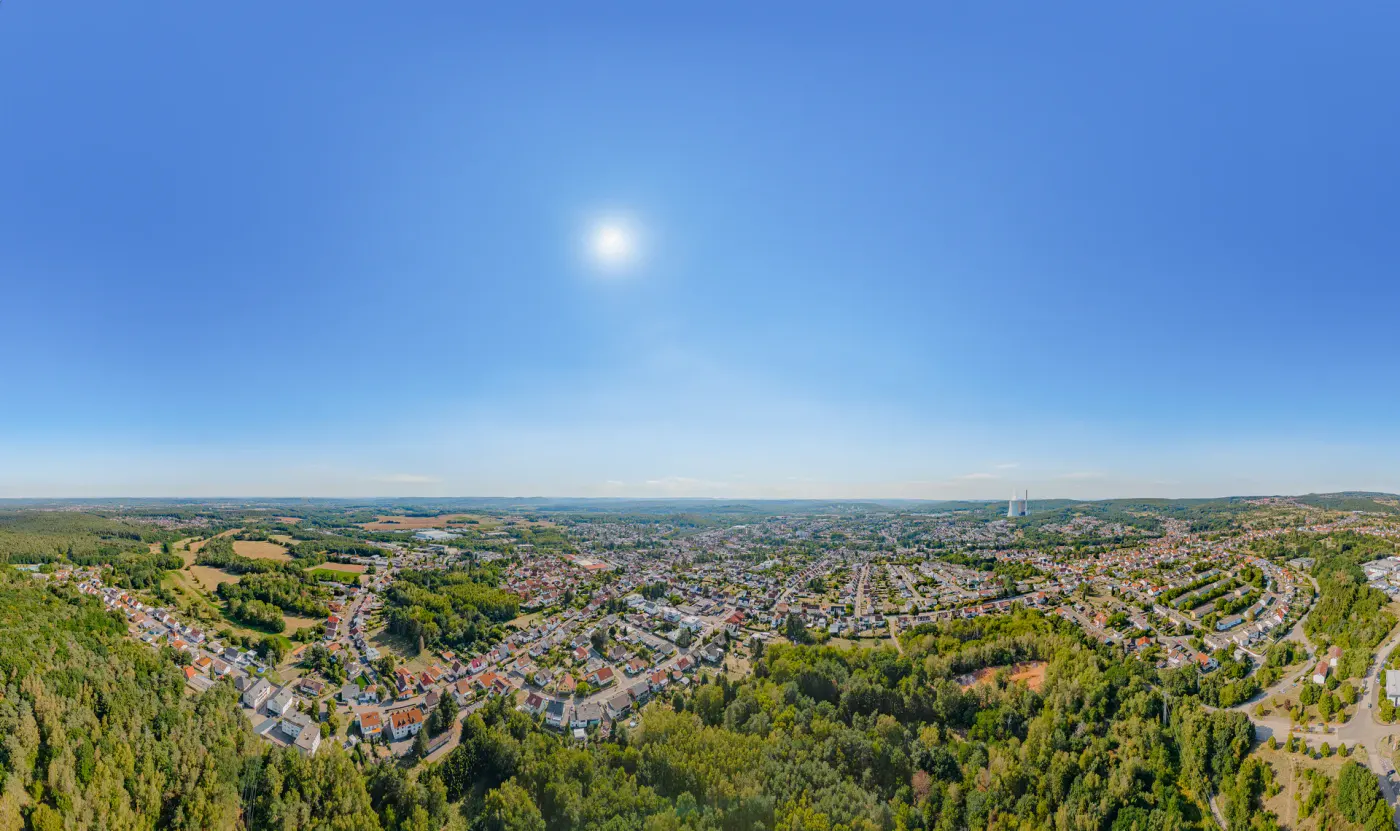
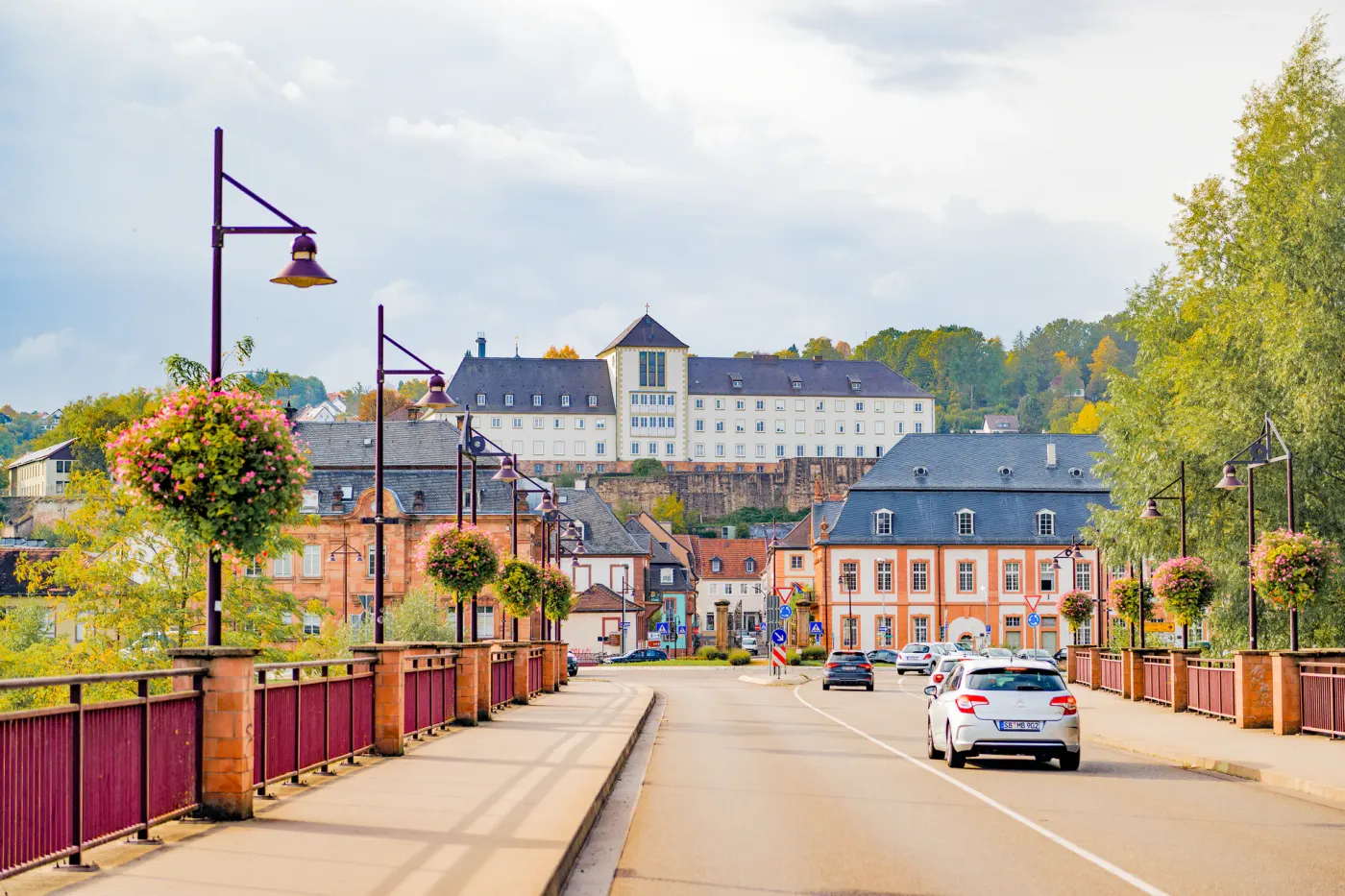
Saarpfalz District
Between Roman Remains and Blies Valleys
« The border is no longer a scar, but a shared memory. »
In the morning, when the mist lifts over the Bliesgau, the Saarpfalz-Kreis slowly reveals its contours. It is a land of edges, where the Palatinate forest fades to make way for undulating valleys, gilded by wheat and by time. From Homburg, perched upon its limestone spur, the gaze reaches as far as the Lorraine plain — that invisible line which has nevertheless separated two worlds for centuries.
It is here, in these gently rounded hills, that archaeology yields its secrets with a rare generosity. Just beyond the outskirts of Homburg, the Villa Haselburg emerges from the undergrowth: a Roman villa from the second century AD, whose exposed foundations tell the life of a wealthy landowner, at a time when the Saar was part of the province of Upper Germania. One imagines the sound of footsteps on the heated slabs of the hypocaust, the smell of bread in the ovens, the slap of sandals on mosaics with geometric patterns.
But the Saarpfalz-Kreis is not merely an archive of stones. It is also a land that has managed to preserve its peasant soul amidst industrial upheavals. The orchards of the Bliestal, the cereal fields that rise in amphitheatre towards the wooded crests, the Streuobstwiesen — those meadows dotted with old apple and pear trees tall as masts — sketch a landscape that smells of cut hay and pine resin.
To the south, Blieskastel unfolds its baroque silhouette above the Blies river. The former residence of the counts of Nassau-Saarbrücken retains the declining elegance of a provincial court where French was long the language of power. Its cobbled lanes, its terraced gardens, its ochre and pink façades form a picture one might believe borrowed from a Rhine valley.
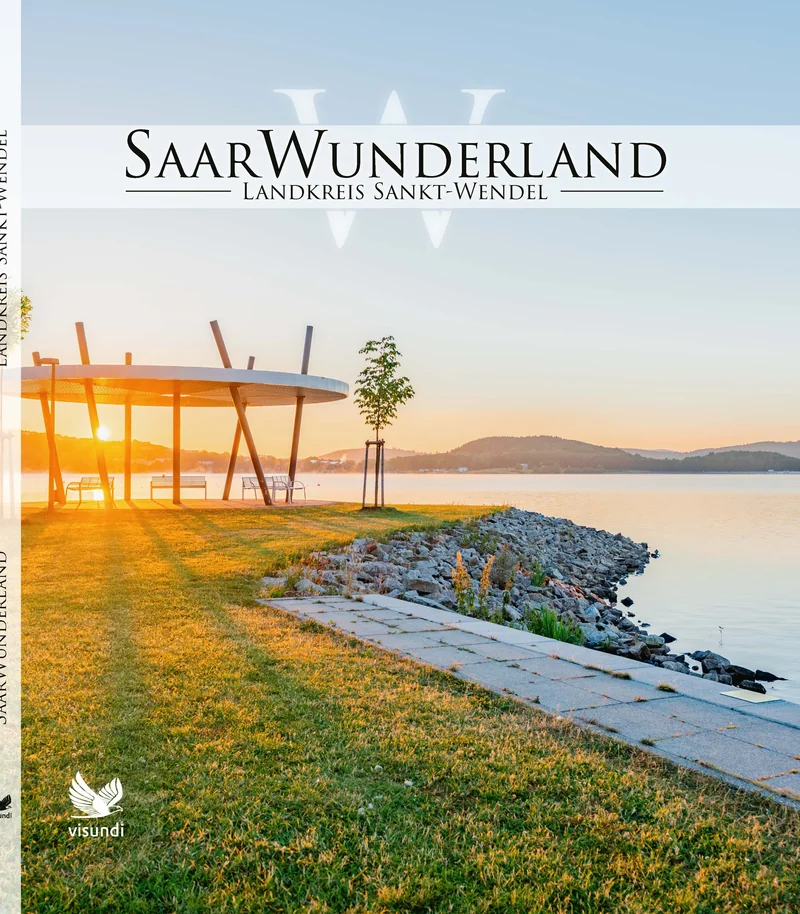
Sankt Wendel District
Between the Memory of Kings and the Breath of Forests
Sankt Wendel District
Between the Memory of Kings and the Breath of Forests
« Some lands are not visited: they are felt, in the marrow of one's bones, like a memory one had forgotten living. »
In the heart of Nordsaarland, where the undulating hills of the Bliestal gently fade towards the Hunsrück, the Landkreis Sankt-Wendel stretches like an illuminated manuscript whose pages turn to the rhythm of the seasons. It is a land of enchanting paradoxes: between the murmuring ruins of the Merovingian era and the factory chimneys that marked the century of coal, between the muddy paths of the Compostela pilgrims and the cobbled streets where the brass bands of carnival still resound.
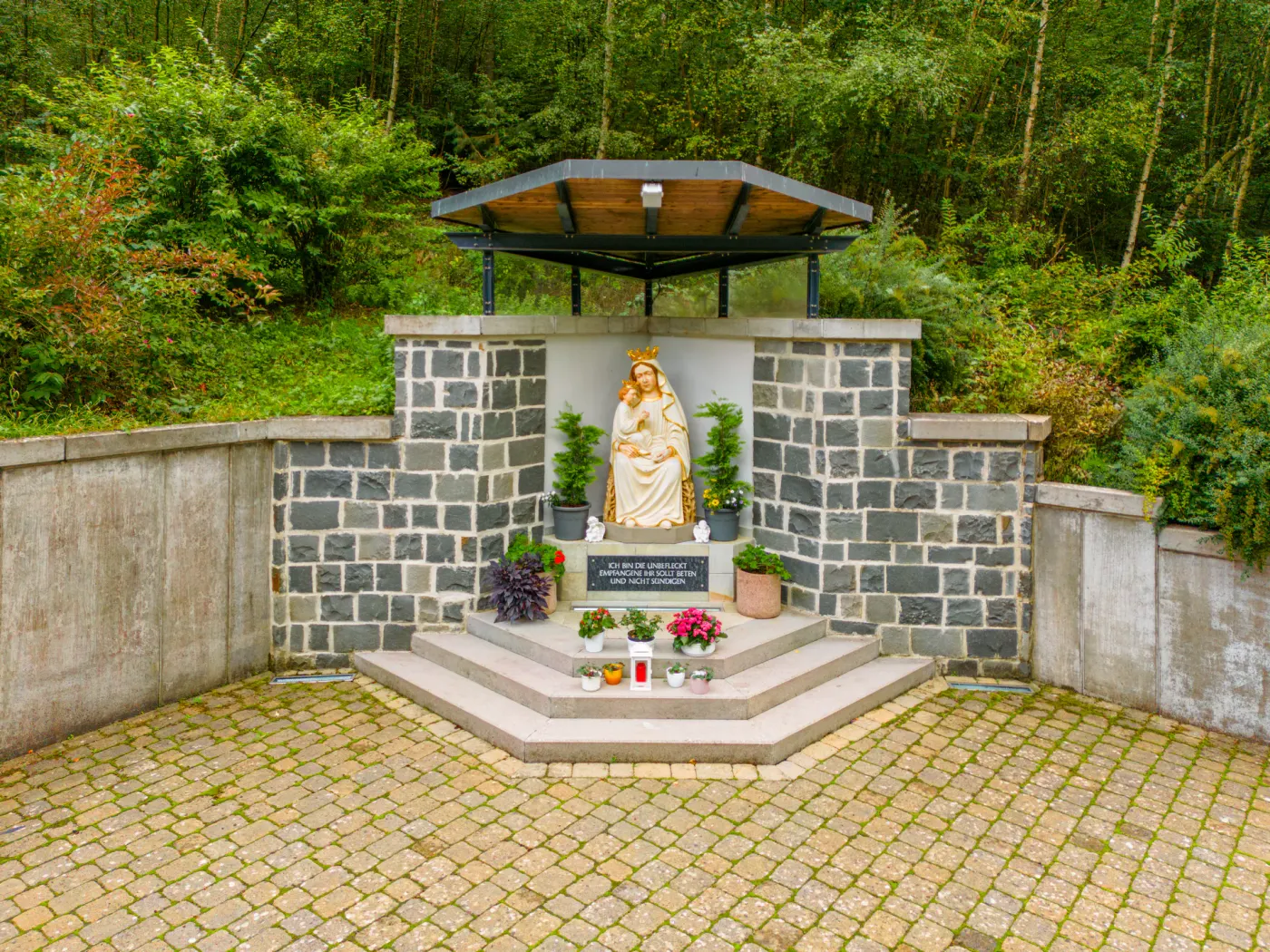
The soul of the region bears a name: Wendelin. This Irish shepherd of the seventh century, who became a hermit then patron saint, left his mark in the slender silhouette of the Wendelinusdom, the baroque cathedral that dominates the town of Sankt Wendel with a voice of white stone. Inside, the Silbermann organ — one of the rare instruments by the Strasbourg master still in a state of reverie — makes the vaults shudder each summer during the international festival of sacred music.
To the north-east, the village of Tholey harbours the mysterious remains of Vicus Wareswald, a Gallo-Roman settlement where Merovingian treasures of astonishing finesse have been found — gold fibulae, celadon vases, funerary weapons that bear witness to a past where this borderland was already a crossroads of the world. Further on, at Theley, the Benedictine abbey founded in the seventh century perpetuates a millennial tradition of knowledge and silence.
And then there is nature, omnipresent, sometimes wild. The Westerwald and Hochwald, these forests that enclose the district, offer hiking paths where the scent of fir and mushroom intertwines with that of damp sandstone. In autumn, the slopes don purple and gold, and the stag's roar echoes through the valleys where the Blies flows.
Neunkirchen District
The Soul of the Saar Between Fire and Verdure
Neunkirchen District
The Soul of the Saar Between Fire and Verdure
« The roar of the blast furnaces has fallen silent, but the breath of the Blies is more alive than ever. »
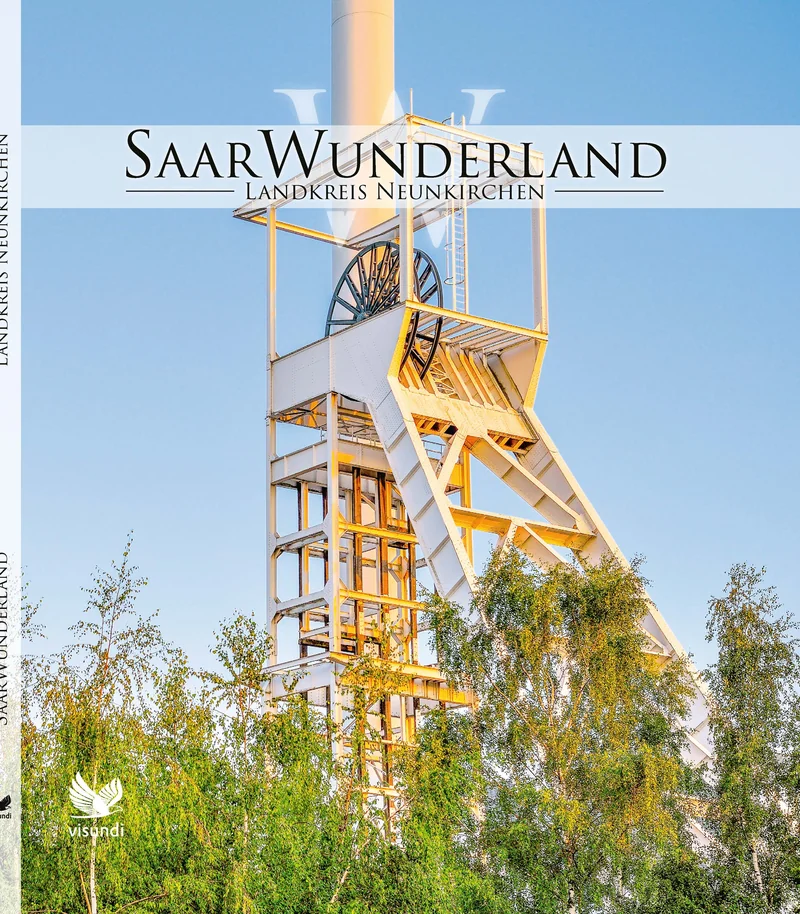
The wind that blows over the Landkreis Neunkirchen still carries, at times, the smell of soot and ore that built its history. It is here, in the Saar's industrial basin, that the blast furnaces crackled for more than a century, transforming coal into steel and generations of men into exceptional workers. But Neunkirchen is not a city frozen in the nostalgia of its steelmaking might. It is a land of resilience, where disused chimneys now stand alongside community gardens and where industrial wastelands are metamorphosing into spaces of creation.
At the heart of the district, the town of Neunkirchen spreads with that particular assurance of former workers' cities. Its old centre, around the Marienkirche, retains sections of medieval walls that survived the bombing of the Second World War. Further on, the Neunkircher Zoo — one of the oldest in Germany, founded in 1924 — still welcomes thousands of families each year come to admire its Siberian tigers in an improbably bucolic setting.
If the north of the district bears the stigmata of industry, its south shifts into another reality. The Bliesgau, designated a UNESCO biosphere reserve in 2009, stretches like an undulating green carpet as far as the French border. The pear and apple orchards align themselves in perfect rows in spring, an explosion of rose-white that perfumes the air for kilometres. The paths of the Bliesgau-Wanderweg wind through damp meadows where gentian and purple orchis grow wild.
At Ottweiler, one of the most beautiful small towns in the Saar, time seems to have stopped in the eighteenth century. The baroque castle of the princes of Nassau-Saarbrücken dominates the Blies with its ochre and pink façades. Its French-style gardens, restored with clockmaker precision, are reflected in the rectangular pools where golden carp glide with nonchalance.
Saarlouis District
Between Vauban's Star and the Saar's Shores
Saarlouis District
Between Vauban's Star and the Saar's Shores
« Where the old and the modern coexist in an eternal dance, upon the banks of the Saar. »
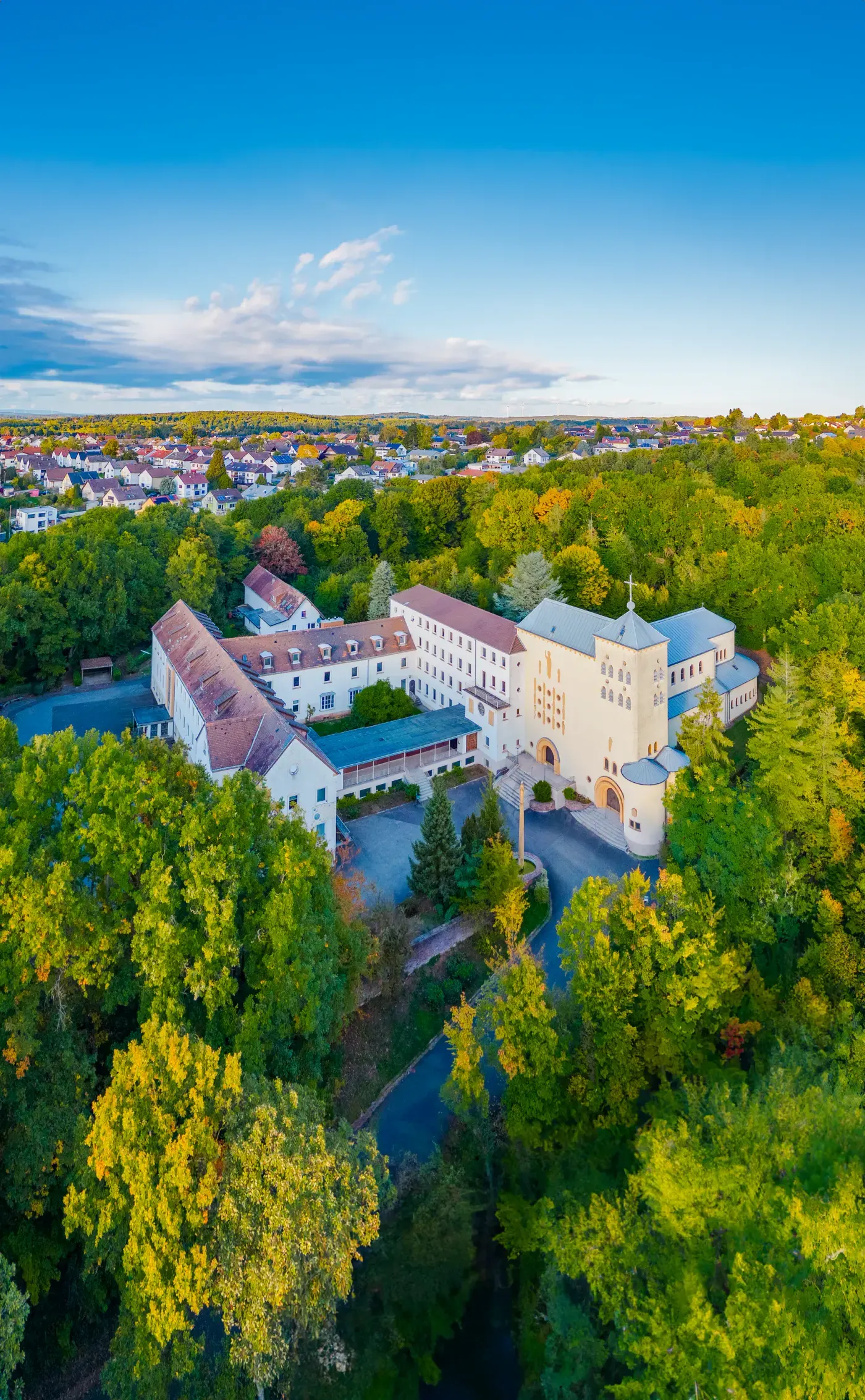
In 1680, Louis XIV entrusted Sébastien Le Prestre de Vauban with a mission of scale: to erect upon the banks of the Saar a fortress capable of defending the north-eastern frontier of the Kingdom of France. Thus was born Sarrelouis, a new city drawn according to a five-pointed star plan that still defies the gaze of airliners today. Passing through its fortified gates, one enters a geometry of stone where each bastion, each ravelin, each curtain wall tells of an age's obsession with absolute defence. The ramparts, listed as a UNESCO World Heritage Site, still bear the stigmata of Napoleonic sieges and Prussian cannonades.
But Saarlouis is not merely a city of sleeping stone. A few kilometres from the Vauban star, the Dillingen blast furnaces belch their clouds of white steam, whilst the Ford factory — once one of the largest in Europe — still paces the daily lives of thousands of workers. The smell of steel floats in the damp morning air, mingling with the perfume of lilacs that line the picturesque avenues of the old centre. Here, industrial pride does not fade before heritage: it converses with it.
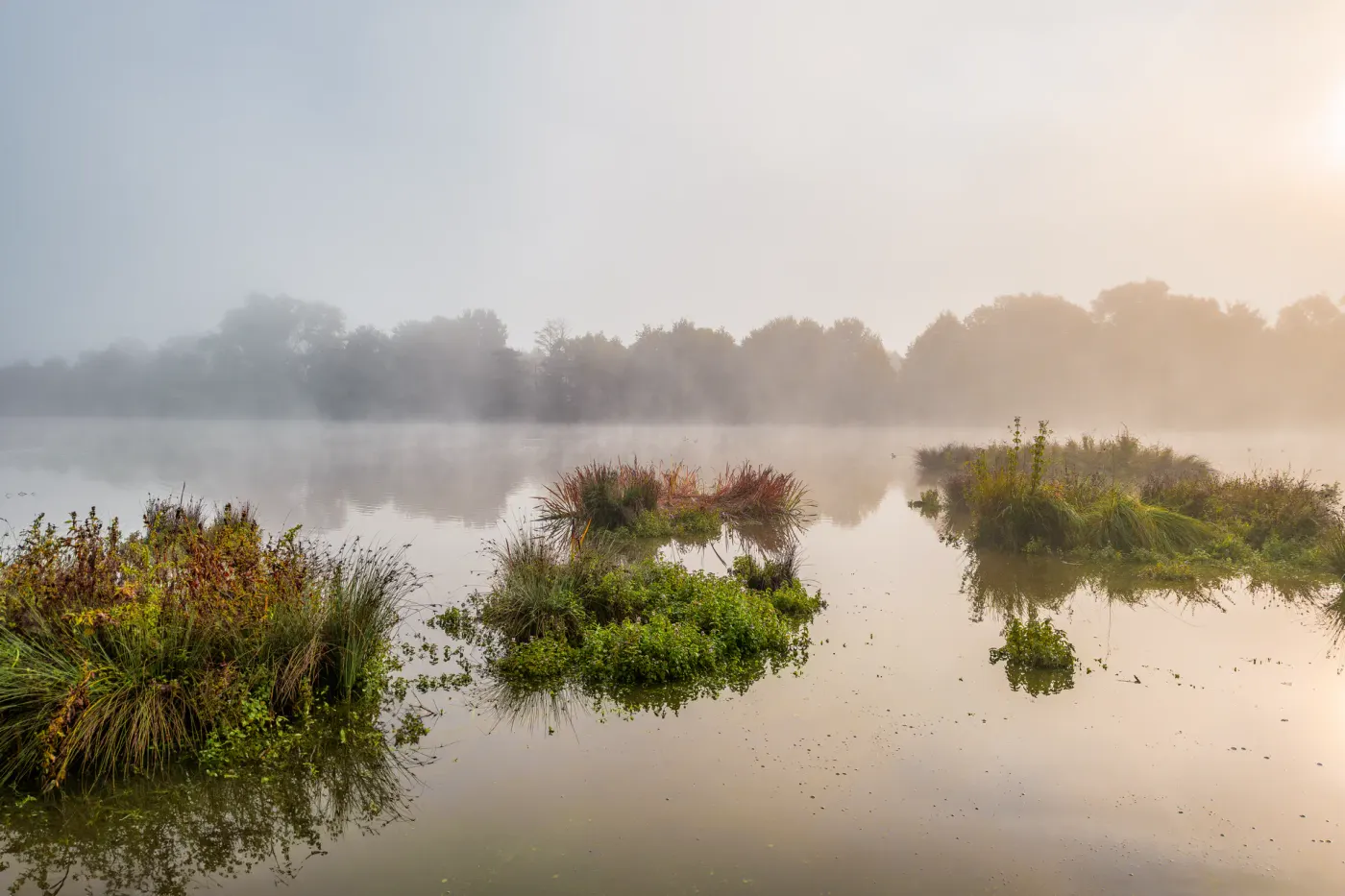
The Saar, that tranquil river which gave its name to an entire Land, winds through the region tracing golden meanders at sunset. Along its banks, cyclists pass motionless fishermen, their lines taut towards the brown water where zander and pike still spawn. Once a military frontier, the river has become a hyphen between two cultures. In the cafés of the old town, one orders a Kaffee with a Croissant, and conversations glide effortlessly from Franconian dialect to the French of neighbouring Moselle.
Beyond the urban zone, the Saarland countryside unfolds its verdant valleys and mirabelle plum orchards. Each Wednesday and Saturday, the Großer Markt comes alive beneath the arcades of the eighteenth century: stalls of aged cheeses, smoked Bratwurst sausages, baskets of golden Mirabelle, and bouquets of wildflowers. Between tradition and future, the Saarlouis region refuses to choose: it wears its two faces with the same offbeat pride, that of a people who have changed flags too often to believe in fixed identities.
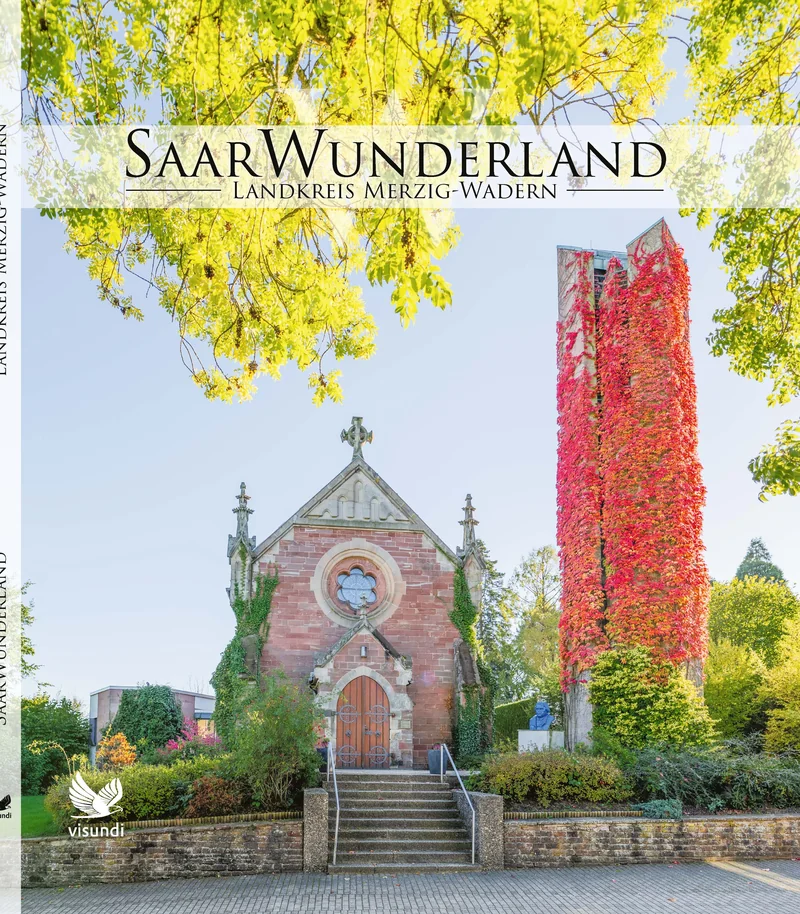
Merzig-Wadern District
Where the Forest Meets the Sky
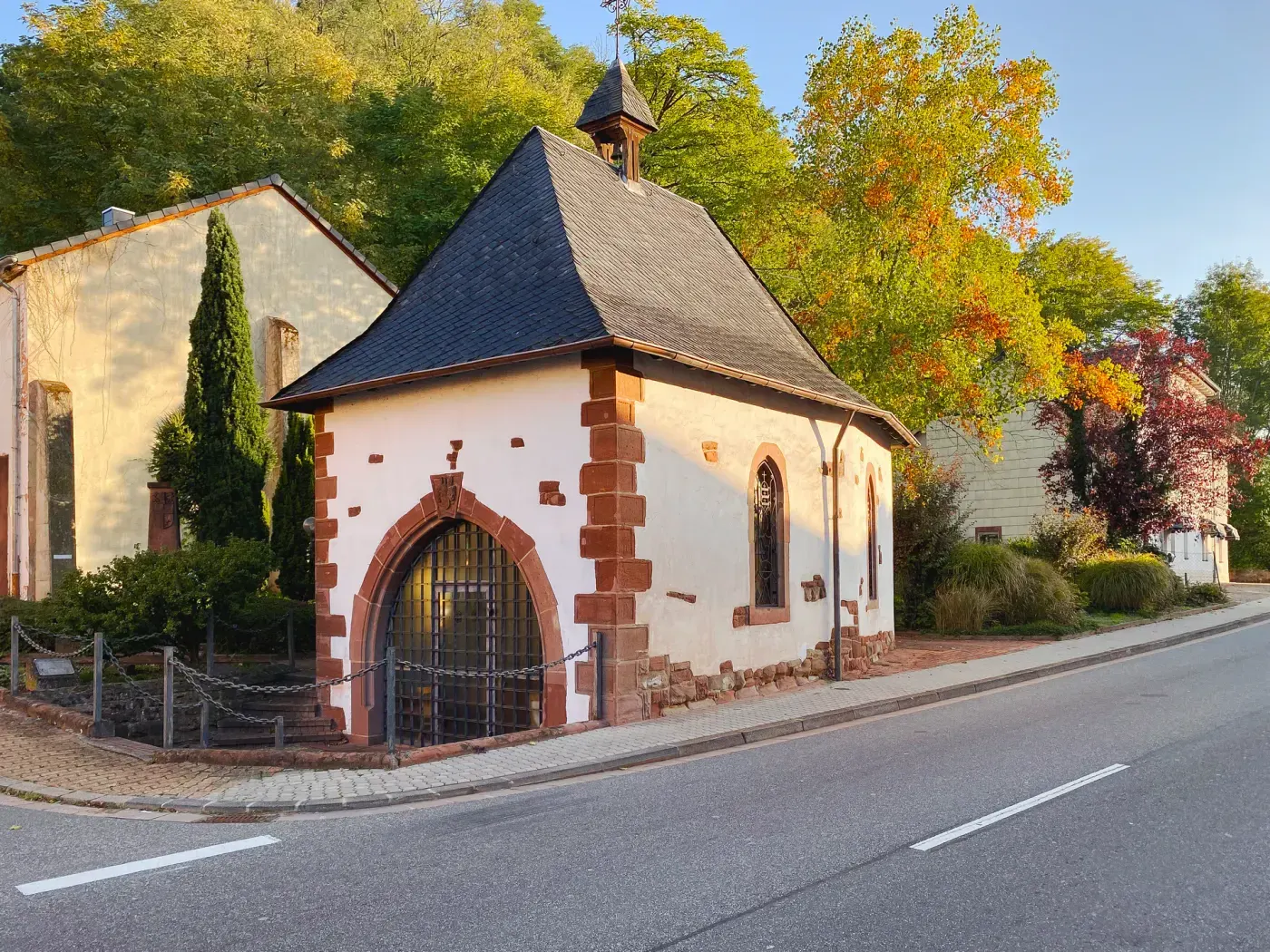
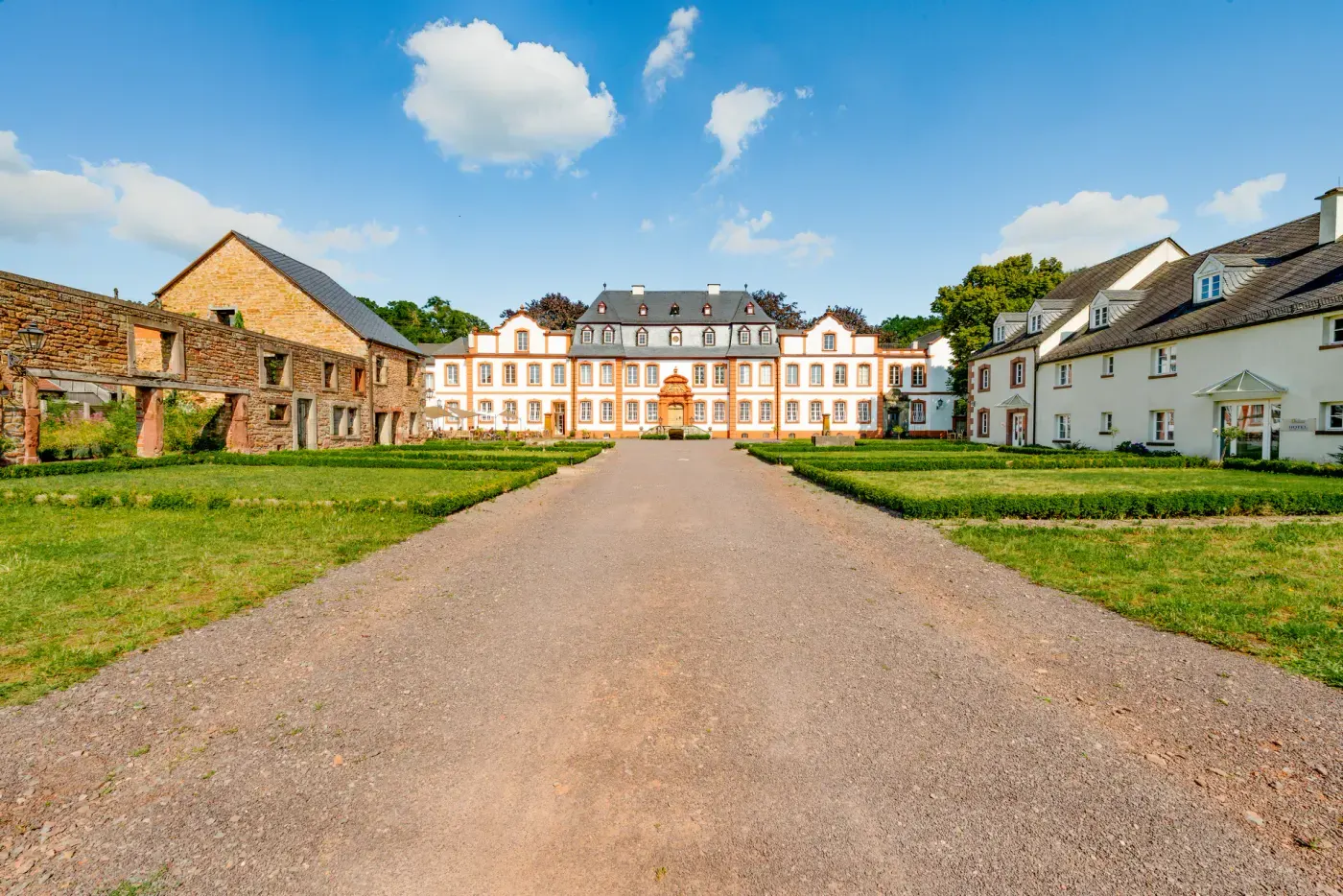
Merzig-Wadern District
Where the Forest Meets the Sky
« Merzig-Wadern is not a region one passes through; it is a territory one feels, skin against bark, breath against foliage. »
It is five o'clock in the morning when the fog begins to lift over the forests of Merzig-Wadern. Golden rays filter through the canopy of centuries-old beeches, tracing shifting patterns upon the mossy carpet that seem to write a forgotten alphabet. Here, in this district that proudly bears the title of the most wooded region of the Saar with more than seventy per cent of its territory covered in trees, nature does not merely exist — it reigns.
To follow the marked hiking paths that wind through the Binger Wald or the Haardt massif is to enter a world where silence has a thickness. Footsteps sink into a litter of damp leaves that exhales a deep woodland scent, mingled with spruce resin and black humus. Sometimes, a great spotted woodpecker strikes its dry rhythm against a hollow trunk, breaking the stillness like a natural punctuation. These woods, traversed by Roman legions two thousand years ago, still preserve traces of buried causeways beneath twisted roots.
The paths sometimes lead to unexpected wonders. Thus appears suddenly, dominating a rocky spur, the castle of Montclair. Its medieval ruins, raised against the sky like a broken tooth, tell of centuries of conflict and alliance between the prince-bishops of Trier and the local counts. From the summit of the Bergfried, the panorama unfolds an ocean of green crests that stretches as far as the bluish line of the neighbouring Moselle hills.
Further north, the small town of Wadern retains the imprint of its past as a frontier crossroads. Its cobbled lanes descend towards the Ulm, the limpid stream that nourished generations of tanners and millers. The architecture of the half-timbered houses, with their dark wooden overhangs and ochre façades, evokes a miniature Alsace. But it is perhaps by the water that Merzig-Wadern delivers its most beautiful pages. The Prims river, tributary of the Saar, traces lazy meanders through floodable meadows where alders and weeping willows grow.
At dusk, the villages of Merzig-Wadern light up with a discreet softness. The terraces of the Gasthäuser welcome exhausted walkers with plates of Schwenker — those pork cutlets grilled on a tripod suspended above the embers, an emblematic dish of the Saar whose smoky smell clings to clothes like a tenacious memory.
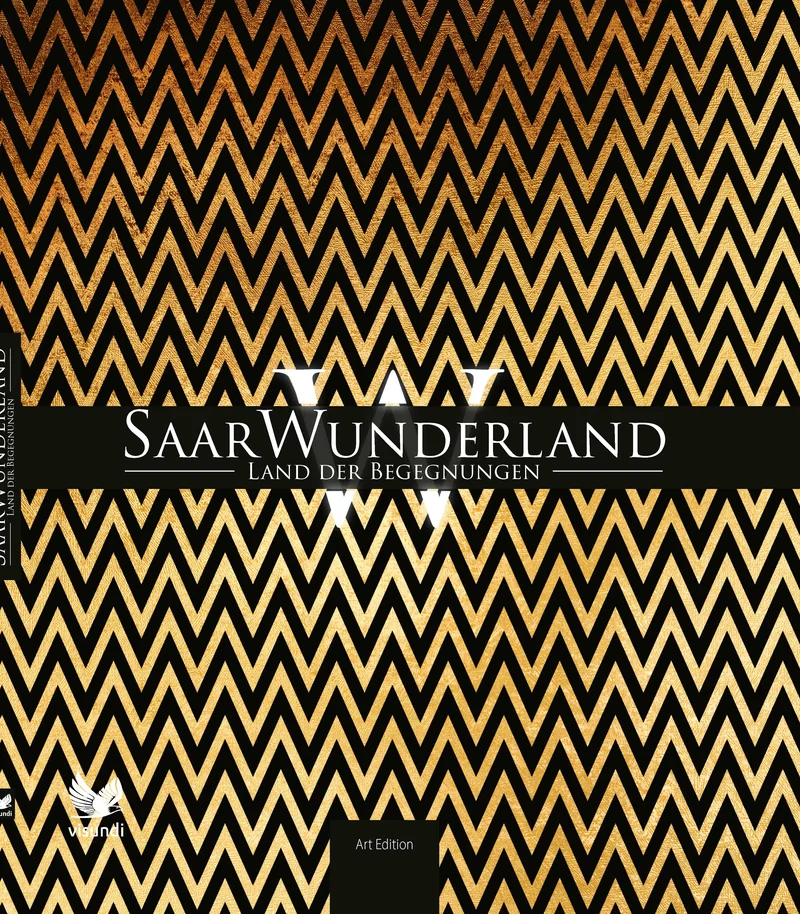
Art Edition: Land of Encounters
Six Regions, One Soul
Art Edition: Land of Encounters
Six Regions, One Soul
« This is not merely a collection of landscapes and places, but a vibrant tribute to the spirit and soul of the Saar. »
Between the granite folds of the Hunsrück and the gentle coal-bearing valleys, the Saar unfolds as an unexpected territory. The Art edition of the SaarWunderland project does not merely traverse these landscapes: it tests them, questions them, exposes them to the raw light of the lens. This photographic book is a crossing, yes, but also an immersion. Each page turned reveals a facet of this borderland, bathed by the Saar, that river which gives it its name and its breath.
One begins with the Saarpfalz-Kreis, where vines climb in terraces and where the Roman ruins of Schwarzenacker testify to a millennial presence. The light there is different — more arid, almost Mediterranean — and the hiking paths wind between pale blond rock faces. Further west, the Landkreis Merzig-Wadern sinks into forests of beech and oak so dense that the silence becomes almost physical.
The Landkreis Neunkirchen still bears the stigmata of the industrial era. Disused factory chimneys, red-brick warehouses, but also an astonishing resilience. It is here that coal shaped lives for more than a century. The Saarbrücken region, beating heart of the Land, mingles the baroque elegance of the Ludwigsplatz with the contemporary verticality of the university. One hears French spoken in the streets, a legacy of a history where the territory changed nationality several times.
To the north, the Landkreis Sankt-Wendel unfolds a landscape of bocage and villages with slate roofs. Craftsmanship endures there: pottery, glassworks, know-how passed from generation to generation. And then the Landkreis Saarlouis, with its star fortress designed by Vauban in the seventeenth century — an architectural rarity in Germany — and its quays where the Saar flows peacefully towards the Moselle.
The two photographers of SaarWunderland have trodden every corner of these six regions. They have waited for the misty dawn upon the heights of the Blies, stalked the golden twilight in the orchards of the Pays de Bitche-Sarre, and captured the precise instant where the rust of a factory door resonates with the brilliant green of a fern. The result is a visual and emotional experience: each photograph is an open window, an invitation to set foot upon a soil laden with stories.
Why the Saar?
« Between forest and water, between history and future, lies a treasure few know. »
The Saar is a land of contrasts. European Capital of Culture in 2024, it combines industrial heritage, lush nature and a unique Franco-German identity. From the forests of Sankt Wendel to the banks of the Saar, passing through the Roman remains of Saarbrücken, every corner of this Land tells a story. It is here that the Franco-German border becomes a bridge, where the two cultures nourish each other to create something rare: a place where it is good to live.
Imagine a territory where every tree whispers a story, where every river traces the path of a forgotten tale. The Saar, this Land of overwhelming green, is not only the most forested in Germany — it is a living theatre. From the mysterious Sculpture Trail, where art melts into the forest, to the imposing sandstone pillars of the Ringwall d'Otzenhausen, a millennia-old Celtic heritage, every corner is a page waiting to be turned.
Here, the Franco-German border is not a line on a map, but a bridge. Two cultures that nourish each other, two languages that dance, a unique identity shaped by the waters of the Saar and the Moselle. Offering a SaarWunderland book is offering the future: a tool of territorial pride, a catalyst of identity, a gift that whispers 'this is where we live, this is what we love, this is who we are'.